

.jpg)
You probably reach for Tylenol (acetaminophen) to ease headaches, muscle pain, or fevers without thinking twice. While it’s widely considered safe when used as directed, misconceptions about its addictive potential are common — as attested by drug treatment centers in Oregon.
Unlike opioids or benzodiazepines, Tylenol isn’t chemically addictive, but chronic or high-dose use can still create harmful patterns, health risks, or complications when combined with other substances.
In this article, you’ll learn what Tylenol misuse looks like, why it can become risky, and how professional support from treatment centers can help you regain control safely.
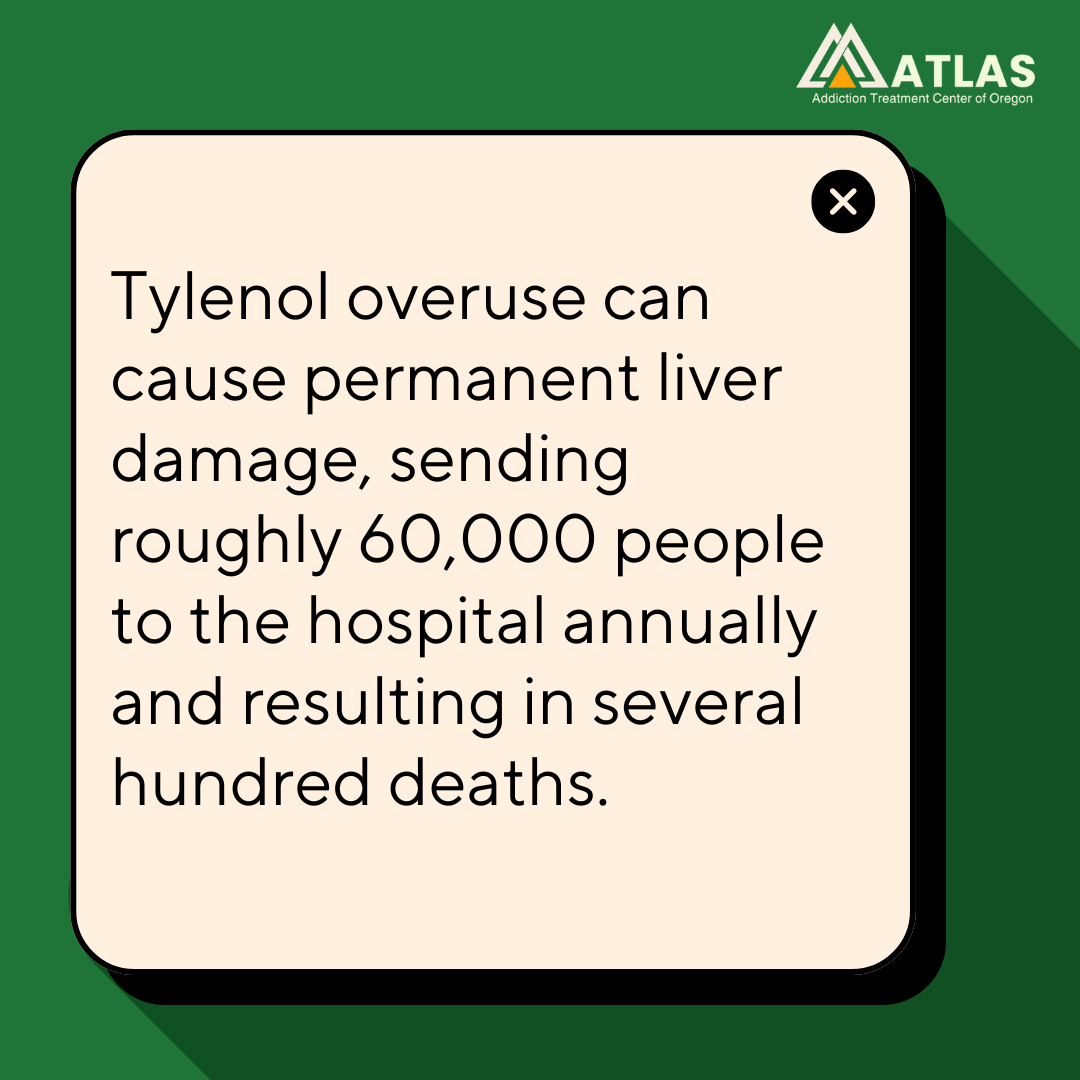
Tylenol (acetaminophen) helps manage everyday aches and fevers, but taking higher doses or using it over a long period can create serious health concerns, even though it’s not chemically addictive. Understanding these risks can help you use it safely and know when to seek support from an addiction treatment Oregon if misuse or dependency on other substances is involved.
Risks of chronic or high-dose Tylenol use include:
Recognizing these risks and using Tylenol responsibly is key to staying healthy and avoiding complications.

Even though Tylenol by itself isn’t chemically addictive, misuse — especially in combination with prescription painkillers like Tylenol 3, which contains codeine — can create serious health risks.
Codeine is an opioid, and when combined with acetaminophen, it can produce euphoria, calmness, or sedation. This makes Tylenol 3 more prone to misuse, as individuals may chase these effects. Over time, repeated use can lead to physical dependence on the codeine, even if the acetaminophen itself isn’t addictive. Drug treatment centers in Oregon can provide guidance, monitoring, and structured support to help you safely navigate these risks.
As a crucial first step, it’s vital to detect signs of painkiller misuse:
Also, note that Tylenol misuse often overlaps with more potent substances such as fentanyl, meth, or benzodiazepines. This combination significantly increases the risk of overdose, liver damage, and dangerous interactions. People who rely on multiple substances may also develop physical or psychological dependence, making it harder to stop without professional guidance. Programs like fentanyl addiction treatment offer structured support to address these risks and guide you through safe recovery.
Early intervention is vital. Knowing the signs of misuse and seeking help promptly at drug treatment centers in Oregon can reduce the potential for long-term harm. It also helps you learn safer coping strategies and regain control over your health.
When Tylenol misuse or prescription medication concerns arise, drug treatment centers in Oregon provide structured, professional support to help you regain control. These centers begin with individualized assessments to understand the scope of substance use, co-occurring conditions, and personal risk factors. Based on those, they create a personalized treatment plan tailored to your needs, whether that includes therapy, medication management, or skills for relapse prevention.
Many treatment centers also integrate specialized programs for other substances if necessary.
For example, you can access meth addiction treatment or benzodiazepine addiction treatment alongside support for prescription painkillers. Throughout the process, the emphasis is on a supportive, non-judgmental environment where you can learn healthier coping strategies, address underlying stressors, and develop a sustainable path to recovery.
Addiction treatment in Oregon offers multiple approaches designed to meet a variety of needs, from mild prescription misuse to more complex substance use disorders. These programs are tailored to provide support that matches your lifestyle, responsibilities, and recovery goals. Understanding the different options can help you choose the right path for long-term success.
Outpatient programs let you receive therapy and counseling while continuing work, school, or family responsibilities. Inpatient care offers 24-hour supervision and a structured environment for individuals who need more intensive support. Both approaches provide professional guidance, but the level of care depends on your needs and the severity of substance use.
Individual and group therapy sessions in reputable rehab centers focus on developing healthy coping mechanisms and addressing triggers for substance use. Counseling provides a safe space to explore emotional challenges and build resilience. Relapse-prevention strategies equip you with practical tools to manage cravings and maintain long-term recovery.
Many treatment centers create plans that address both substance use and underlying mental health conditions. This ensures a comprehensive approach that considers the full scope of your well-being. Personalized care increases the chances of sustainable recovery and long-term success.
If you’re ready to address Tylenol misuse or other substance use concerns, the first step is accessing professional support. Contacting an addiction treatment center covered by OHP or Oregon Health Plan ensures your care is both effective and financially manageable. Knowing your insurance options, program types, and available services can make the process less overwhelming and help you start treatment quickly.
Here are some tips for finding a center that fits your needs:

Tylenol misuse, especially when combined with prescription opioids like codeine or other substances, can pose serious health risks, including liver damage and overdose. Seeking professional support early can prevent complications, address co-occurring substance use, and provide the tools you need for sustainable recovery.
Proactively reaching out to a qualified treatment program gives you the guidance, accountability, and coping strategies necessary to regain control of your health and well-being. Drug treatment centers in Oregon, such as Atlas Treatment Center, offer individualized care, evidence-based therapies, and supportive environments to help you safely navigate recovery and rebuild stability in your life. Contact our team today!
Medical Reviewer
Shawn is an experienced addiction counselor with nine years of work in substance use disorder treatment. Drawing from both professional training and lived recovery experience, he provides informed, empathetic care. He focuses on personalized support that helps clients build resilience and sustain long-term recovery.

Author
Emmy is a content specialist dedicated to helping brands boost their online presence and reputation through tailored, well-researched copy. With expertise across diverse niches—including mental health—she crafts messages that resonate with target audiences.


.webp)
Don't let addiction define your future. We're ready to support you every step of the way. Reach out to us for a free, confidential assessment.