

.jpg)
Exploring meth addiction treatment often uncovers a pattern that goes beyond stimulant use alone. Meth is frequently paired with painkillers or other depressants, not by accident, but as a way to manage the extreme highs and crashes the drug creates.
Meth pushes the body into overdrive, then drops it into exhaustion, anxiety, and emotional lows. Painkillers or sedatives, meanwhile, are often used to blunt those crashes or cope with lingering physical and mental strain. When this pattern develops, each substance only reinforces the other.
This article breaks down why stimulant and painkiller misuse so often go hand in hand, the specific risks that come with using both, and what effective treatment looks like when more than one substance is involved.
At the center of meth addiction treatment is understanding what the drug actually does to your brain and body.
Methamphetamine is a powerful stimulant that directly affects the central nervous system, speeding up physical and mental processes in ways that can feel intense and reinforcing. When meth is in your system, heart rate, blood pressure, breathing, and body temperature rise. At the same time, energy, focus, alertness, and feelings of pleasure are sharply increased.
These effects are driven by meth’s impact on dopamine, a brain chemical tied to motivation and reward. Meth causes a large surge of dopamine, creating the intense “high” the drug is known for. That flood of dopamine trains the brain to want the experience again and again, which is why meth use can quickly turn compulsive. Over time, the brain becomes less able to regulate dopamine on its own, making everyday life feel flat or unbearable without the drug.
When meth wears off, the crash can be just as powerful as the high.
Fatigue, depression, anxiety, hunger, and emotional numbness often follow, pushing many people into binge patterns where small doses are taken repeatedly over days to avoid coming down. This cycle increases the risk of dependence and also raises the likelihood of turning to other substances to manage the comedown.
Many people seeking addiction treatment Oregon face challenges with more than one substance at a time, especially when meth use creates physical and emotional lows that other drugs seem to temporarily relieve.
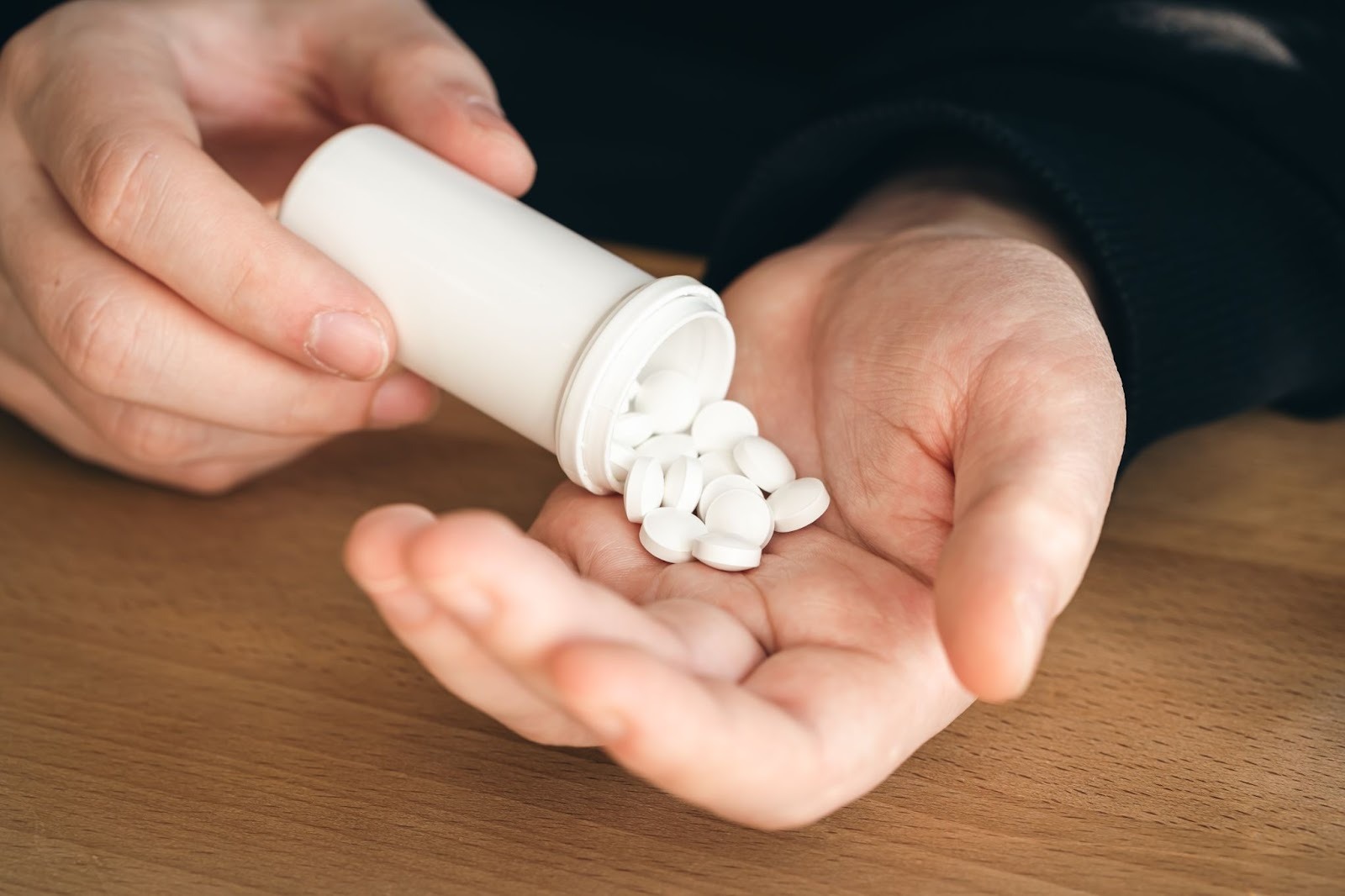
When you look at meth addiction treatment, you’ll often see stimulant use tied to painkillers or other depressants. This overlap happens because meth pushes your body and brain to extremes, and other substances can start to feel like a way to regain balance. Over time, this pattern becomes less about choice and more about managing how you feel just to get through the day.
For example, you might use meth to stay productive at work or push through long hours, then turn to opioids or benzodiazepines to calm down or sleep afterward. This cycle can make recovery more complicated, which is why comprehensive care — such as benzodiazepine and fentanyl addiction treatment — is often necessary to address overlapping substance use at the same time.
When you’re dealing with overlapping substance use, the risks increase fast. And this is a major focus in effective meth addiction treatment. Using stimulants alongside painkillers or sedatives puts constant strain on both your body and your mental health, often in ways that aren’t immediately obvious.
From a physical standpoint, combining substances significantly raises health risks.
Meth already stresses your heart by increasing heart rate, blood pressure, and body temperature. Adding opioids or sedatives into the mix can confuse your nervous system, increasing the chance of heart problems, respiratory suppression, and overdose.
Mental health issues are also common. Research shows that around 40% of people seeking treatment for methamphetamine use also reported struggling with anxiety, which can worsen when multiple substances are involved. This is one reason why integrated care, such as benzodiazepine addiction treatment, is often necessary when anxiety and substance use feed into each other.
There are also serious legal and social consequences to consider.
Dual substance use increases the likelihood of impaired driving, arrests, job loss, and strained relationships. For some people, substance use leads to court involvement or participation in a DUII program in Oregon, adding legal pressure on top of health concerns. These external consequences can make recovery feel even more overwhelming if they aren’t addressed within treatment.
All of this is why specialized treatment for polydrug use matters. When care only focuses on one substance, the untreated drug continues to drive cravings, mental health symptoms, and relapse risk. Programs that understand and treat overlapping substance use give you a safer, more realistic path toward stability and long-term recovery.
Especially when you’re dealing with more than one substance, choosing the right level of care matters. Drug treatment centers in Oregon offer a range of services designed specifically for polydrug use.
Effective treatment for overlapping meth and depressant use often includes multiple, coordinated strategies:
Addressing both substances is essential for long-term recovery. When one drug goes untreated, it often becomes the reason relapse happens later. That’s why individualized assessment and treatment planning are so important. Your history, patterns of use, mental health, and daily responsibilities all shape what recovery should look like for you.

Meth and painkiller misuse often overlap because stimulants push your brain and body to extremes, while opioids or sedatives can feel like a way to manage the crash, anxiety, or emotional strain that follows. This pattern increases health risks, mental health challenges, and the likelihood of relapse when only one substance is addressed.
Effective treatment focuses on the full picture, using integrated care, structured support, and individualized planning to treat overlapping substance use safely and realistically.
If you’re looking for comprehensive meth addiction treatment, Atlas Treatment Center offers personalized care designed to address both stimulant use and co-occurring substance challenges. Get in touch today!

Medical Reviewer
Shawn is an experienced addiction counselor with nine years of work in substance use disorder treatment. Drawing from both professional training and lived recovery experience, he provides informed, empathetic care. He focuses on personalized support that helps clients build resilience and sustain long-term recovery.

Author
Emmy is a content specialist dedicated to helping brands boost their online presence and reputation through tailored, well-researched copy. With expertise across diverse niches—including mental health—she crafts messages that resonate with target audiences.


.webp)
Don't let addiction define your future. We're ready to support you every step of the way. Reach out to us for a free, confidential assessment.