

.jpg)
You just got a DUII in Oregon, and your mind is probably racing with questions: What comes next? How will this affect your life?
Getting a ticket for DUII or Driving Under the Influence of Intoxicants is a serious charge that can set off a chain of legal, personal, and financial consequences. Understanding the steps that follow is crucial so you can navigate the process with as little stress as possible.
In this article, we’ll discuss what happens after a DUII in the state — from court procedures and mandatory programs to treatment options and long-term impacts — so you know exactly what to expect and how to move forward.
DUII in Oregon is the state’s term for operating a vehicle while impaired by alcohol, drugs, or a combination of both. While some states simply call this a DUI (Driving Under the Influence), Oregon uses DUII to reflect that impairment isn’t limited to alcohol. It also includes prescription drugs, recreational drugs, or any substance that affects your ability to drive safely.
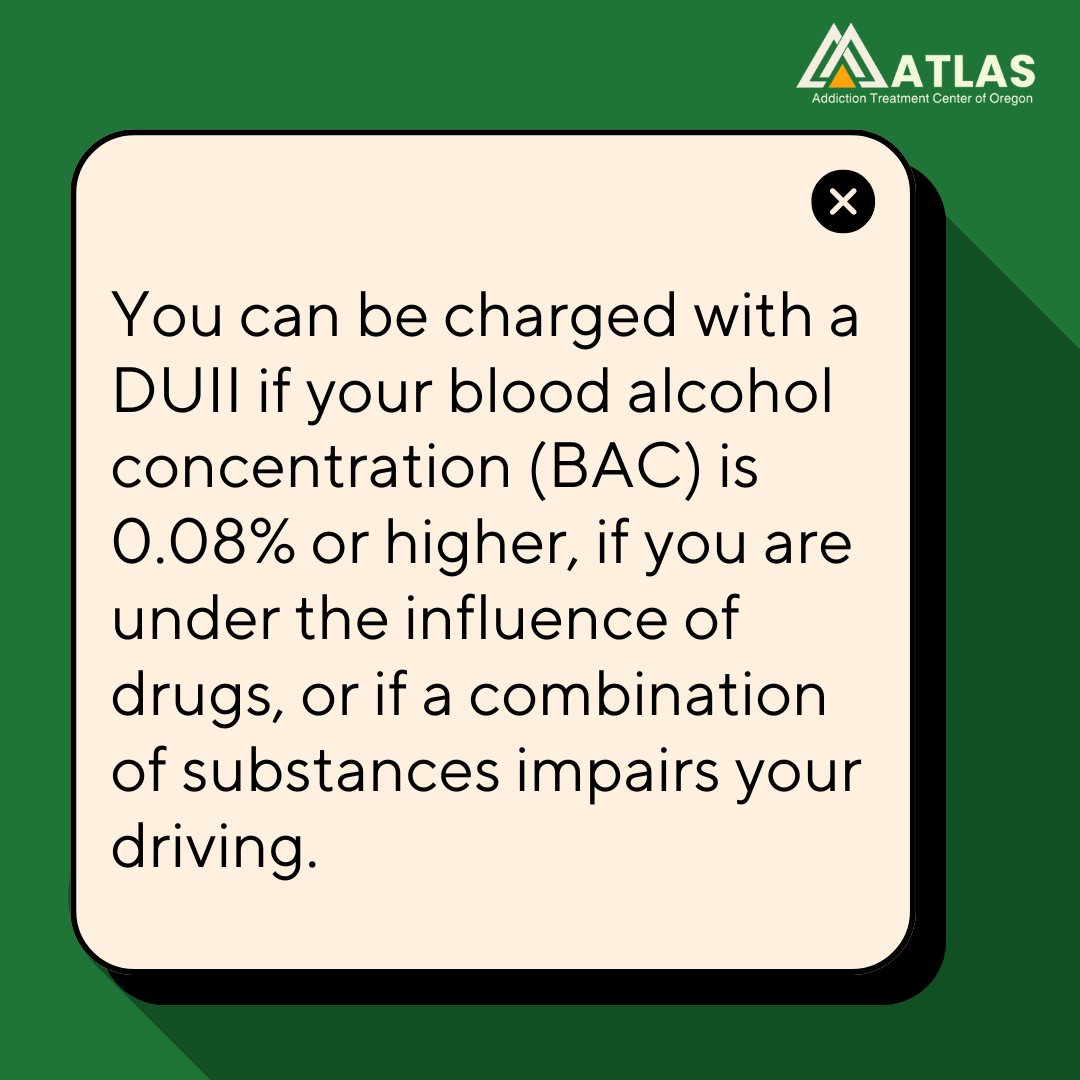
You can be charged with a DUII if your blood alcohol concentration (BAC) is 0.08% or higher, if you are under the influence of drugs, or if a combination of substances impairs your driving. Even if you don’t show obvious signs of intoxication, a chemical test or an officer’s observations can lead to a DUII charge.
After an officer pulls you over and suspects impairment, several immediate steps usually follow:
You’ll likely be asked to exit your vehicle and submit to tests that determine impairment. Oregon law allows three main types of tests:
After testing, the officer may formally arrest you and take you to the police station for booking. Anything you say to the police can be used against you, so it’s best to provide only your license and registration and request an attorney before answering questions.
You’ll likely face automatic license suspension through the Oregon DMV. For a first offense, the suspension can last up to one year, though shorter periods may apply depending on circumstances like test refusal. This happens in addition to any court-ordered suspension.
Showing up to your court date is essential. Failing to appear can lead to additional fines, arrest warrants, or more severe penalties. During this appearance, you’ll learn your charges, hear your options, and begin navigating the legal process.
Once your case moves through the court system, several steps determine the final outcome.
The first is your arraignment, where the judge formally reads your charges and asks you to enter a plea. You’ll have a few options: you can plead guilty, which means you accept responsibility and the court will schedule sentencing; plead not guilty, which allows you to contest the charges and potentially go to trial; or work out a plea bargain with the prosecutor to reduce penalties or charges. Choosing the right plea is an important decision, and having legal guidance can help you understand the best course of action for your situation.
If you are found guilty or decide to plead guilty, the court will move on to sentencing.
First-time offenders may face fines ranging from $1,000 to $6,250, depending on BAC levels and other circumstances. DUII in Oregon is generally treated as a Class A misdemeanor, which means you could serve up to 364 days in county jail. At a minimum, the court usually requires either 48 hours in jail or 80 hours of community service. In addition, you may be placed on probation, which often includes obeying all laws, avoiding alcohol or drugs, paying fees or restitution, and complying with other court requirements.
The court will also mandate alcohol or drug evaluations to determine if you need treatment. Completing any recommended DUII program in Oregon is typically required, and you’ll be responsible for the associated costs.
Outcomes in DUII cases can vary widely based on factors such as your BAC, any prior DUII convictions, whether drugs were involved, and the circumstances of the incident.

Alt text: A man drives cautiously at night, alert and focused, reflecting the serious responsibility of safe driving after a DUII in Oregon
If you are charged with a DUII in Oregon, the court may require you to participate in a DUII program in the state.
Offered by licensed drug treatment centers in Oregon, these programs are structured to combine education, accountability, and monitoring to reduce the likelihood of future impaired driving.
Typical elements of a DUII program include:
Programs vary by county, but you should anticipate several weeks to months of participation, with sessions scheduled weekly or biweekly. Fees are also required and typically paid out of pocket.
For first-time offenders, successfully completing the program may open the door to diversion, a special option that can dismiss the DUII charge entirely if all requirements are met. For more information about program specifics, schedules, and approved providers, your attorney or court personnel can provide guidance.
Beyond fulfilling legal requirements, participating in a DUII program in Oregon can have meaningful benefits for your recovery and future safety. These programs:
Treatment options in Oregon vary depending on your needs and the court’s recommendations.
Outpatient programs allow you to continue living at home while attending regular counseling sessions, group therapy, and educational classes. These programs are often recommended for individuals with mild to moderate substance use concerns or as part of DUII diversion programs.
For those with more severe substance use disorders, residential programs — also known as inpatient programs — provide intensive, structured support in a controlled environment, with 24/7 supervision to help prevent relapse.
Counseling services, either individual or group, are often included in both outpatient and residential programs. These sessions focus on understanding triggers, developing coping strategies, and addressing behavioral patterns related to substance use. Educational components may also be integrated, teaching participants about the effects of alcohol and drugs on driving and overall health.
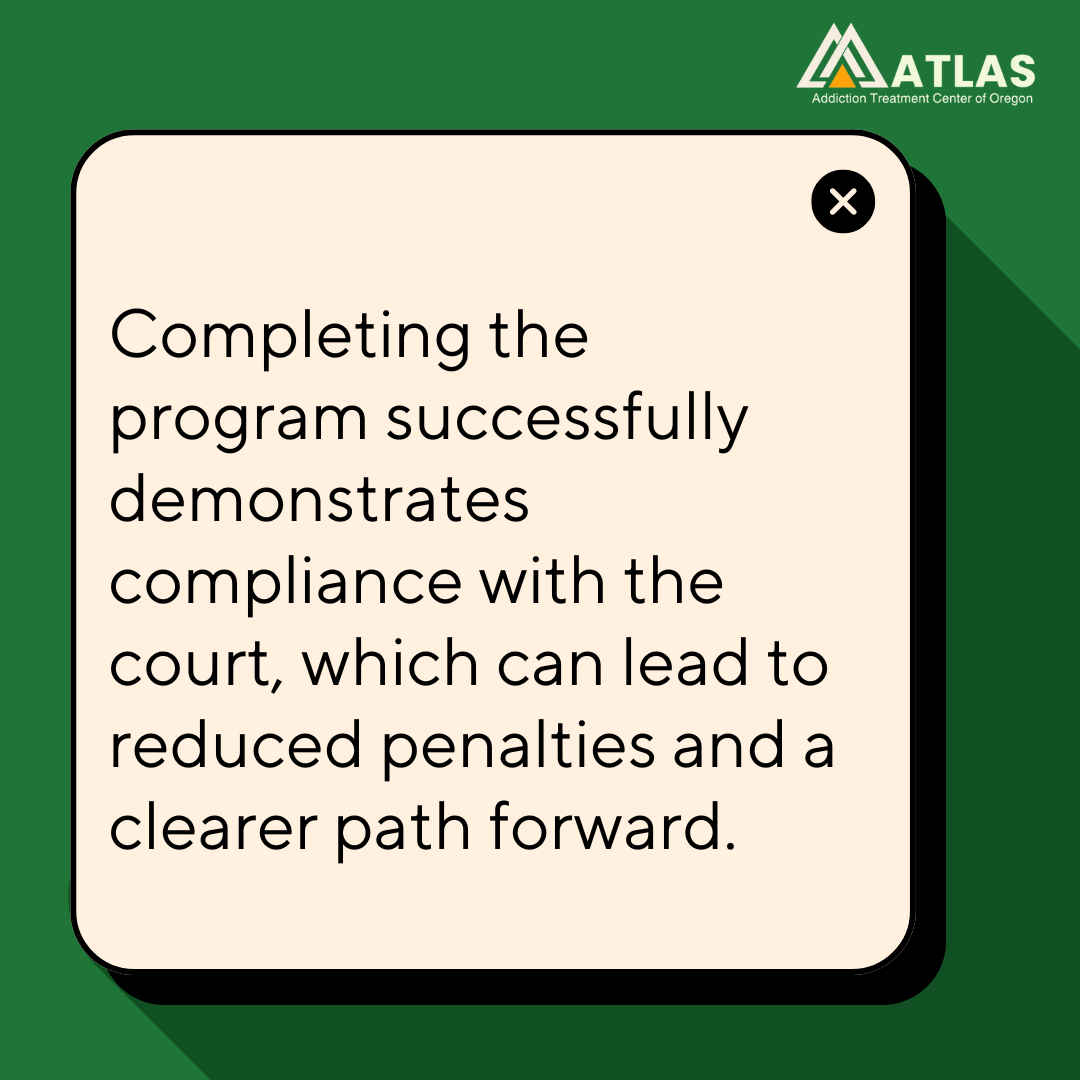
Successfully completing a treatment program can serve a dual purpose: helping you address substance use issues while also fulfilling certain court-mandated requirements related to your DUII. Courts often consider program completion as evidence of your commitment to recovery, which can positively affect sentencing, probation terms, or eligibility for diversion programs.
A DUII in Oregon can have lasting effects on your life beyond fines and court dates. Your driving record may be affected for years, impacting insurance rates and eligibility for certain jobs. Even after completing court requirements or diversion programs, the record of the offense can remain visible, and failure to comply with treatment or program mandates can lead to additional legal consequences.
To help you move forward, here are some tips:

Understanding what happens after a DUII in Oregon is crucial for protecting your driving record, complying with legal requirements, and starting the path toward recovery. While the process may feel overwhelming, taking the right steps — completing court-mandated programs, attending assessments, and seeking professional treatment — can help you regain control and reduce long-term consequences.
Recovery and compliance are possible when you act promptly and follow the guidance provided by legal and treatment professionals. If you or a loved one needs support, our team at Atlas Treatment Center can help. Get in touch and learn more about our DUII program today.

Medical Reviewer
Shawn is an experienced addiction counselor with nine years of work in substance use disorder treatment. Drawing from both professional training and lived recovery experience, he provides informed, empathetic care. He focuses on personalized support that helps clients build resilience and sustain long-term recovery.

Author
Emmy is a content specialist dedicated to helping brands boost their online presence and reputation through tailored, well-researched copy. With expertise across diverse niches—including mental health—she crafts messages that resonate with target audiences.


.webp)
Don't let addiction define your future. We're ready to support you every step of the way. Reach out to us for a free, confidential assessment.