


Most people know that quitting alcohol cold turkey can be dangerous. Far fewer people know that stopping benzodiazepines abruptly carries the same life-threatening risk, and in some cases, a higher one. If you or someone you love is dependent on Xanax, Valium, Klonopin, or any other benzo, that is not a small thing to manage on your own.
Benzodiazepine addiction withdrawal treatment is one of the few situations in the addiction medicine world where the phrase "do not stop without medical supervision" is not a disclaimer. It is a clinical fact backed by serious consequences. Seizures. Psychosis. Death. These outcomes are not rare in unsupervised benzo withdrawal, and they are almost entirely preventable with the right care.
This post explains what is actually happening in your brain when benzos are removed, why that makes withdrawal uniquely dangerous, and what structured medical treatment looks like, including whether outpatient care is a real option for you.
Benzodiazepines work by enhancing the activity of GABA, a neurotransmitter that acts as your brain's main brake pedal. GABA slows things down. It reduces anxiety, calms electrical activity in the brain, and keeps your nervous system from firing too hard.
When you take benzos regularly, your brain adapts. It downregulates its own GABA receptors, meaning it produces fewer of them and makes them less responsive. Your brain is essentially compensating for the constant chemical calm by turning down its sensitivity to that signal.
The problem comes when you take the drug away. Without benzos, and with a GABA system that has been suppressed, your central nervous system swings into a state of hyperexcitability. There is nothing slowing the brakes down. Electrical activity in the brain accelerates, and if that goes unchecked, it can result in seizures that are genuinely life-threatening.
Opioid withdrawal is brutal. Stimulant withdrawal is exhausting and mentally crushing. But neither typically kills you. Benzodiazepine withdrawal, along with alcohol withdrawal, belongs to a separate category because of what that CNS hyperexcitability can escalate into.
Withdrawal seizures can occur anywhere from 24 hours to several days after your last dose, depending on which benzo you were taking. Shorter-acting benzos like Xanax tend to produce symptoms faster. Longer-acting ones like Valium may delay the onset by several days, which can create a dangerous false sense of safety if someone thinks they are past the worst of it.
Protracted withdrawal syndrome is another reality worth understanding. Even after the acute phase, many people experience a prolonged period of anxiety, insomnia, cognitive fog, and sensory sensitivity that can last weeks or months. This is not a sign that something went wrong. It is your brain gradually rebuilding receptor sensitivity, and it responds far better to support than to white-knuckling. You can read more about the effects of long-term benzodiazepine use and what recovery looks like in a related post we put together for that exact reason.
The clinical standard for benzodiazepine addiction withdrawal treatment is not abrupt cessation. It is a medically supervised taper, usually with a longer-acting benzodiazepine like diazepam (Valium) substituted for a shorter-acting one, then gradually reduced over time.
The goal of tapering is to give your brain a slower, more manageable adjustment period. Instead of yanking the chemical support system away, you reduce it incrementally so the nervous system can recalibrate without swinging into dangerous hyperexcitability. The Substance Abuse and Mental Health Services Administration (SAMHSA) identifies medically supervised tapering as the evidence-based approach to managing benzodiazepine dependence precisely because it significantly reduces the risk of seizures and severe withdrawal complications.
Taper schedules are not one-size-fits-all. The rate depends on how long you have been using, what dose, which specific benzo, and your overall health picture. This is why a physician with genuine expertise in addiction medicine needs to be directing the process, not a general practitioner guessing, and certainly not you managing it alone at home.

A question we hear often is whether someone needs inpatient treatment for benzo withdrawal, or whether outpatient care is realistic. The honest answer is: it depends on clinical factors, and a proper assessment should drive that decision.
For some people, the level of dependence, the presence of co-occurring medical conditions, or a history of prior severe withdrawals will point toward a higher level of care. For others, a structured outpatient setting with close medical monitoring is appropriate and effective.
At Atlas, our team oversees supervised medication management within our programs, which means benzo withdrawal is not being handled casually. It is being managed by someone who has spent well over a decade specializing in exactly this.
Our Partial Hospitalization Program (PHP) runs five days per week, four to six hours per day, and includes supervised medication management alongside individual therapy, group sessions, and regular drug and alcohol screening. For someone in benzo withdrawal who does not require inpatient detox but still needs close oversight, PHP provides that structure without pulling you entirely out of your life.
The Intensive Outpatient Program (IOP) is the next step, running four days per week over roughly eight to twelve weeks, with medication management continuing as needed. It integrates 12-step principles, mindfulness, coping skills, and stress management, because the psychological work of recovery runs parallel to the physical one.
One piece of the treatment picture that often gets overlooked is nutrition. We work directly with clients on stabilizing blood sugar, sleep, digestion, and stress response. These are not peripheral concerns during benzo withdrawal. Protracted withdrawal symptoms like insomnia and anxiety are made meaningfully worse by a destabilized nervous system that is also running on poor nutrition and disrupted sleep rhythms. We use practical tools, including budget-friendly grocery guidance, because recovery has to be workable in real life.
Published research supports structured outpatient treatment for benzodiazepine dependence in appropriate candidates. A review published in the journal Addiction found that gradual outpatient tapering with psychological support produced strong outcomes, with many patients successfully discontinuing long-term benzodiazepine use when the process was medically managed and accompanied by behavioral therapy.
The National Institute on Drug Abuse (NIDA) notes that cognitive behavioral therapy (CBT) combined with medication management produces better long-term outcomes than medication alone for benzodiazepine dependence. This is the clinical rationale behind the way Atlas structures programming: the medical and therapeutic components are not separate tracks. They work together.
CBT, which is a core part of our alcohol and substance abuse counseling approach, helps you identify the thought patterns and emotional triggers that sustained the use in the first place. For many people with benzo dependence, the original anxiety or sleep disorder that led to the prescription is still there and needs real treatment, not just the removal of the medication that was masking it.

If you have been taking benzodiazepines daily for more than a few weeks, your body is physically dependent. And it means that stopping requires a plan, not willpower.
Signs that you need medical evaluation before stopping benzos include: using more than your prescribed dose, using benzos you were not prescribed, feeling intense anxiety or physical discomfort when doses are delayed, and any prior history of withdrawal symptoms like shakiness, sweating, or confusion.
The first step at Atlas is a proper assessment. Our team will look at your full picture: what you have been using, for how long, what else is going on medically, and what level of care is the right fit. That conversation is free, confidential, and designed to give you real information, not a sales pitch.
For people who are uninsured, our admissions team is trained to walk you through Oregon Health Plan and Medicaid enrollment. Cost is a real concern, and our position is that it should not be the reason someone does not get care. You can learn more about your options on our Admissions and Insurance page, or simply call and let us help you figure it out.
Benzo withdrawal is one of the places in addiction medicine where the stakes are genuinely high, and where the right support makes an outcome not just more comfortable but safer. You do not have to go into this without a clinical team behind you. We built Atlas specifically so that people in Oregon would have that option.
If you are ready to take that first step, we would be glad to hear from you. You can also read reviews from past Atlas clients on Google to hear directly from people who have been where you are now.
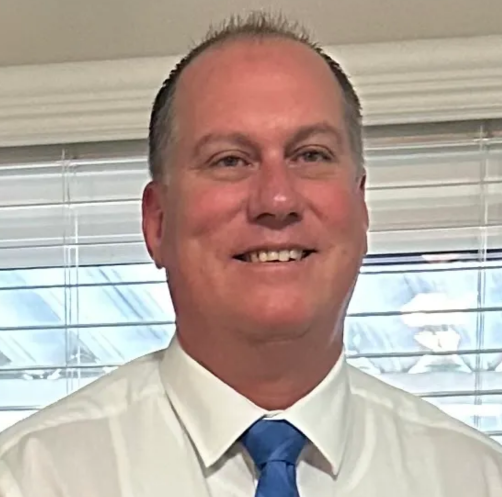
Medical Reviewer
Shawn is an experienced addiction counselor with nine years of work in substance use disorder treatment. Drawing from both professional training and lived recovery experience, he provides informed, empathetic care. He focuses on personalized support that helps clients build resilience and sustain long-term recovery.

Author
Henna is a content strategist with over 5 years of experience in behavioral health marketing. She specializes in creating informed, compassionate content for addiction treatment centers, using her deep understanding of the industry to educate, engage, and support individuals seeking recovery.


.webp)
Don't let addiction define your future. We're ready to support you every step of the way. Reach out to us for a free, confidential assessment.