
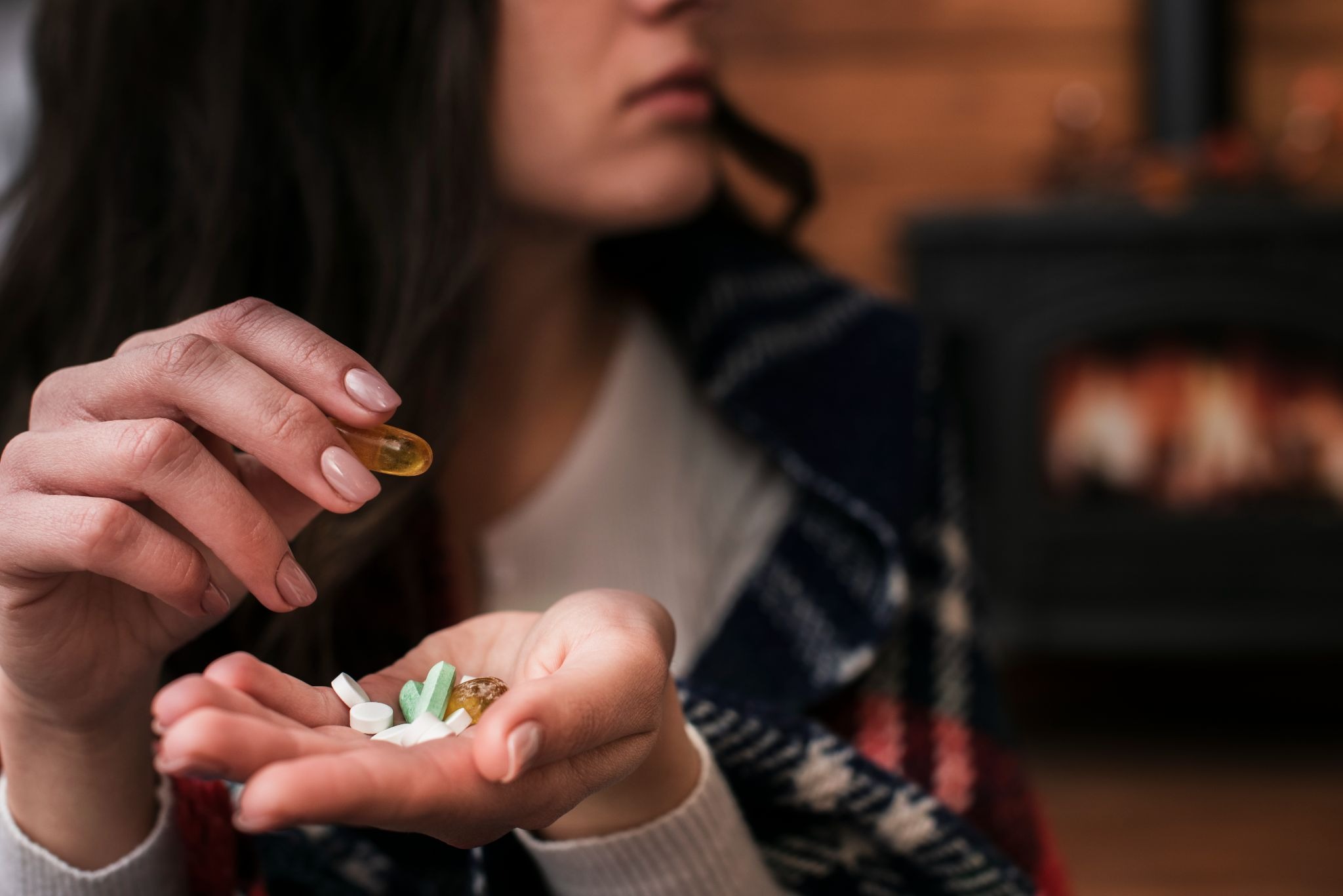
When people think about the drug crisis, they often picture one substance at a time: for instance, fentanyl or meth. But for a growing number of people seeking fentanyl addiction treatment, what they're actually dealing with is both at once, often layered on top of other substances. too.
This article breaks down why the fentanyl-meth combination has become so common in Oregon, what it does to the body and brain, and why it demands a different approach to care than treating either substance alone.
Fentanyl is a powerful depressant. It slows breathing, dulls pain, and creates sedation. Meth does the opposite: it speeds everything up, keeps people awake, and counteracts the heaviness of an opioid high. People use them together to feel like they can function, or to take the edge off the stimulant crash, or simply because that's what the supply looks like these days.
The data reflects how widespread this has become.
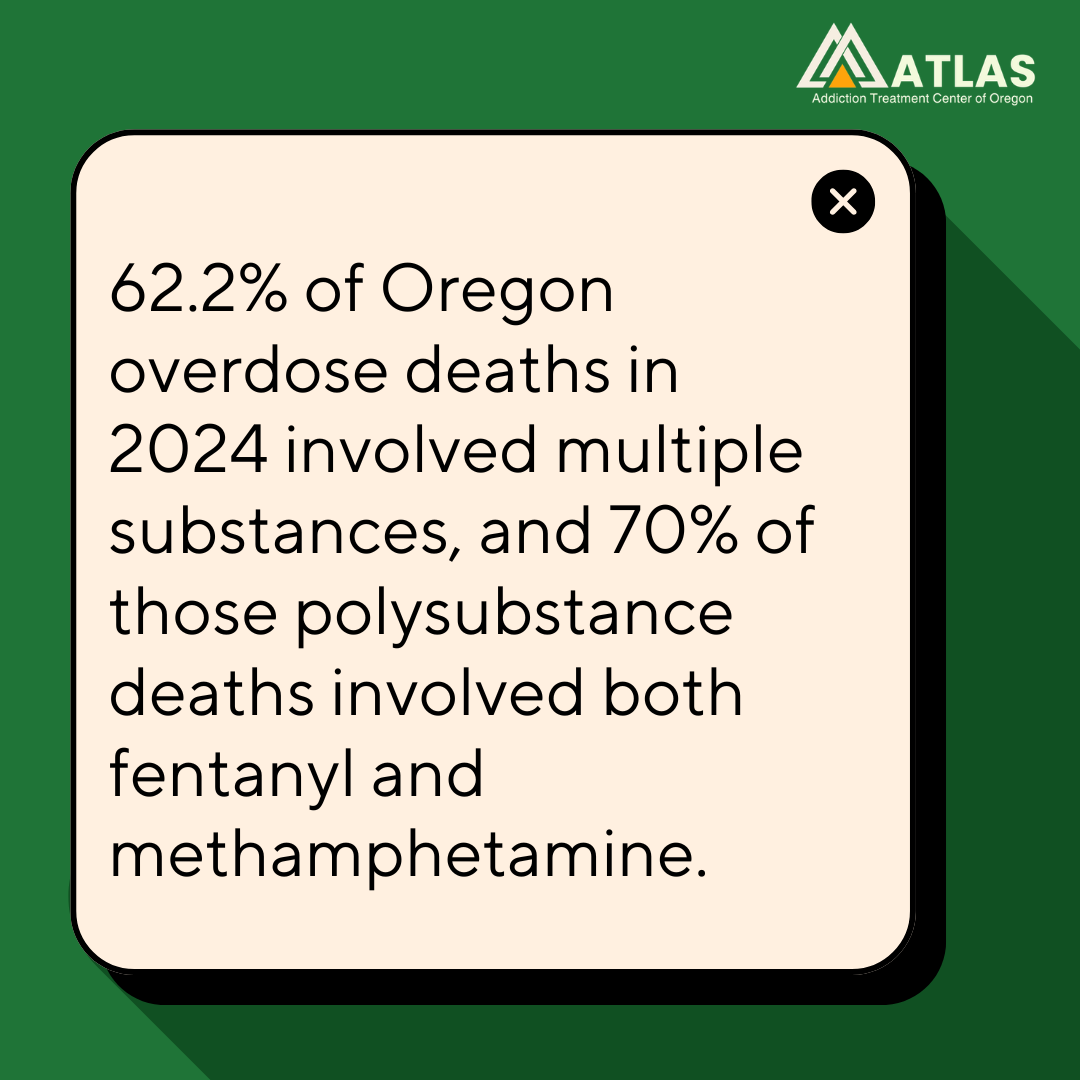
According to the Oregon Health Authority's overdose report, 62.2% of Oregon overdose deaths in 2024 involved multiple substances, and 70% of those polysubstance deaths involved both fentanyl and methamphetamine.
It’s a striking statistic because it means that the typical Oregon overdose death now involves at least two substances. And this is what polysubstance addiction Oregon providers are increasingly up against.
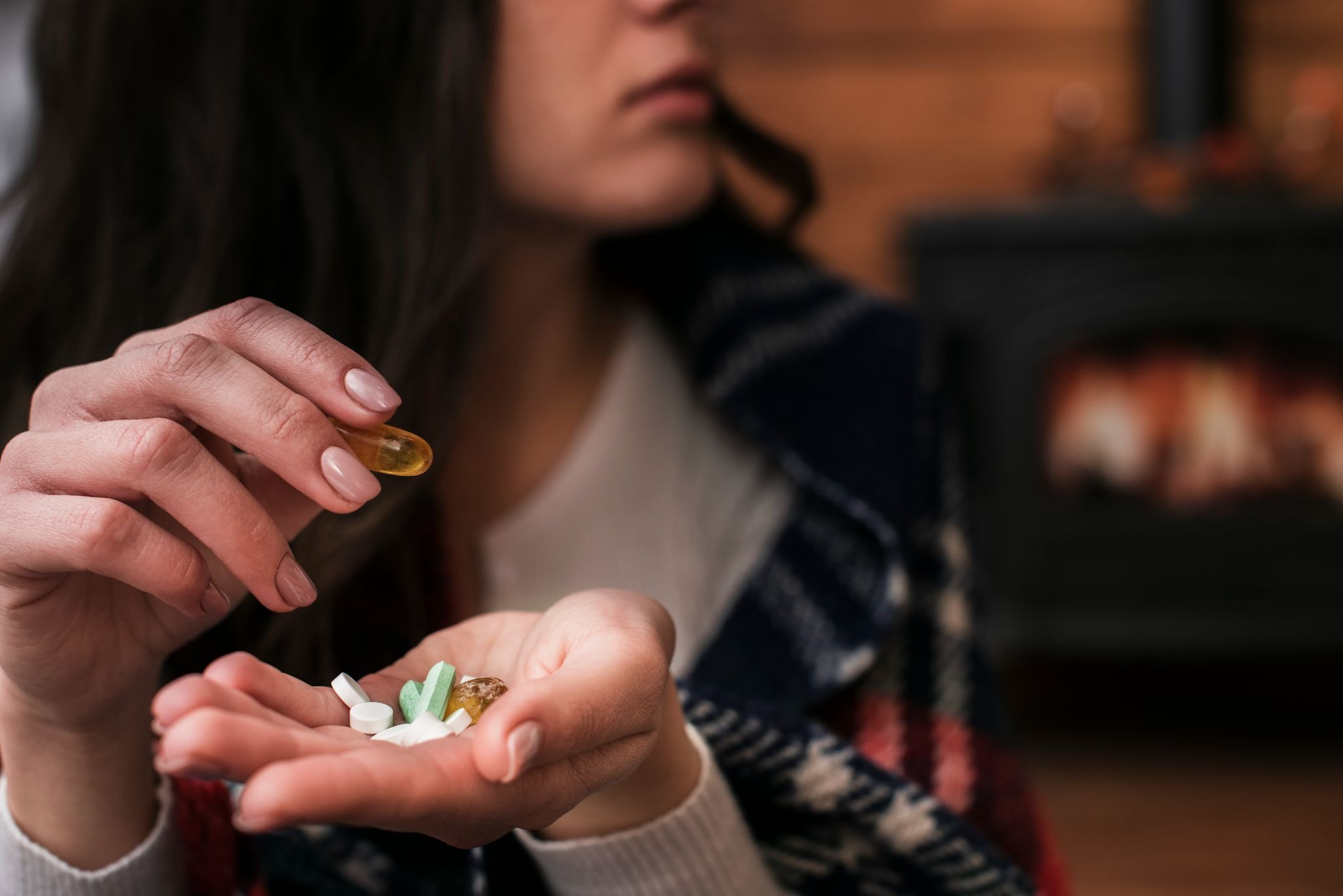
Using fentanyl and meth at the same time puts the body under serious strain.
As mentioned, the two drugs pull in opposite directions: The heart rate, blood pressure, and respiratory system are essentially caught in a tug-of-war. This unpredictability is part of why overdose risk goes up sharply. When a person's system crashes, it may not be clear right away whether stimulant toxicity, respiratory depression, or both are driving it.
Beyond overdose, the fentanyl meth combination addiction Oregon clinicians are treating tends to come with more complicated withdrawal.
Fentanyl withdrawal is physically brutal. Symptoms include nausea, chills, severe pain, and powerful cravings. Meanwhile, meth withdrawal is less physically dramatic but psychologically grueling. Think depression, exhaustion, and anhedonia (the inability to feel pleasure) that can last for weeks.
Facing both at once is a different beast from dealing with either alone.
There's also the mental health piece. Meth use is closely linked to psychosis, paranoia, and mood instability. Fentanyl use compounds anxiety and depression. When someone comes in for co-occurring drug use treatment Portland providers see that the mental health layer often needs just as much attention as the physical detox.
Fentanyl and meth are the dominant combination right now, but the full picture is often messier. Benzodiazepines (Xanax, Klonopin, Valium) also frequently appear in the mix, whether prescribed or obtained off the street. They're taken to manage anxiety from meth, to ease fentanyl withdrawal, or just because they're available.
This matters for treatment planning.
Benzodiazepine addiction treatment in Oregon requires a careful, medically supervised taper, as abrupt discontinuation can cause seizures. When someone arrives at a program already dependent on fentanyl, meth, and benzos, a cookie-cutter approach isn't going to work.
Treating polysubstance addiction Oregon-wide calls for a few things that older, single-substance models often didn't prioritize.
Buprenorphine and methadone address opioid dependence well. But they do nothing for meth use, and meth use is a strong predictor of continued fentanyl use and relapse. Addressing fentanyl addiction treatment without also having a plan for stimulant use leaves a major gap open.
If someone is physically dependent on benzos alongside opioids, detox becomes a medical issue first, before any therapeutic work can happen. Programs that can manage multi-substance medical withdrawal are better positioned to keep people safe through early treatment.
Meth use in particular tends to produce psychiatric symptoms, sometimes temporarily, sometimes revealing underlying conditions. Meth addiction treatment that doesn't integrate mental health screening and support often sees people leave or relapse once the psychiatric piece flares up.
People coming in with fentanyl and meth use histories tend to have longer, more entrenched patterns. Outpatient polysubstance treatment Oregon programs that can accommodate longer timelines (including step-down options from PHP to IOP to ongoing outpatient) give people more runway to stabilize.
The shame around polysubstance use can be significant. People sometimes feel like they've failed even by addiction standards. Programs that normalize multiple substance histories and build community around them tend to see better engagement.
At Atlas Treatment Center in Portland, the reality of co-occurring drug use is baked into how care gets delivered, from the initial assessment through each level of programming.
Polysubstance presentations are common enough that they're not treated as edge cases. Whether someone is coming in primarily for fentanyl addiction treatment in Oregon, dealing with a meth-primary pattern, or navigating dependence on multiple substances at once, the approach starts from where that person actually is, not from a single-substance template.
The goal, always, is to connect the person to the level of care that fits their actual clinical picture and to stay connected with them as that picture evolves, because it often does.

If you or someone you love is using fentanyl and meth together (or any combination that feels too complicated to talk about), it's worth knowing that treatment providers in Portland are seeing this every day. The complexity is exactly what outpatient polysubstance treatment in Oregon is prepared to address.
Atlas Treatment Center offers fentanyl addiction treatment, meth addiction treatment, and programming that accounts for the full picture of what someone is dealing with. If you want to talk through what that might look like, reach out to our team today!
Medical Reviewer
Shawn is an experienced addiction counselor with nine years of work in substance use disorder treatment. Drawing from both professional training and lived recovery experience, he provides informed, empathetic care. He focuses on personalized support that helps clients build resilience and sustain long-term recovery.

Author
Henna is a content strategist with over 5 years of experience in behavioral health marketing. She specializes in creating informed, compassionate content for addiction treatment centers, using her deep understanding of the industry to educate, engage, and support individuals seeking recovery.


.webp)
Don't let addiction define your future. We're ready to support you every step of the way. Reach out to us for a free, confidential assessment.