


If you've been through treatment before and still found yourself struggling, or if someone you love keeps cycling back despite genuine effort, there's a question worth asking: was every piece of the picture actually treated? For many people, the answer is no. Substance use and mental health conditions don't always show up separately. Often, they arrive together, feed each other, and need to be addressed together to give recovery a real chance.
Co-occurring disorders, sometimes called dual diagnosis, describe the presence of both a substance use disorder and at least one mental health condition in the same person at the same time. This is not rare. SAMHSA data consistently shows that roughly half of people with a substance use disorder also live with a mental health condition, and yet many treatment programs still address only one. That gap explains a lot of the frustration families feel when they watch someone do everything right in treatment, then fall apart when they come home.
This post is for you if you're trying to understand why addiction and mental health feel so tangled together. Because once you understand the connection, the path forward becomes a lot clearer.
The term covers a wide range of combinations. On the mental health side, the most commonly seen conditions alongside substance use disorders include depression, anxiety disorders, post-traumatic stress disorder (PTSD), bipolar disorder, attention deficit hyperactivity disorder (ADHD), and schizophrenia. On the substance use side, alcohol, opioids like fentanyl, stimulants like methamphetamine, and benzodiazepines all appear regularly in dual diagnosis cases.
What makes this complicated is that the symptoms overlap. Anxiety can look like stimulant withdrawal. Depression can look like alcohol dependence. Someone using substances to manage panic attacks or intrusive thoughts may not recognize that they have PTSD — they only know that the substance helps, until it doesn't. By the time many people arrive at treatment, the two conditions have been intertwined for years.
No single combination is more "real" or more serious than another. If you are dealing with both a mental health condition and a substance use disorder, both deserve clinical attention.
Here is the part that most people don't fully understand, and it matters: co-occurring disorders don't just happen to exist at the same time. They actively worsen each other through a feedback loop in the brain.
Research from NIDA explains that both mental illness and substance use affect the brain's reward pathways, stress response systems, and executive function. When someone with untreated depression uses alcohol to feel better, the alcohol provides temporary relief by flooding the brain with dopamine. But over time, chronic alcohol use depletes the brain's natural ability to produce dopamine, which deepens the depression. The depression then drives more drinking. The cycle feeds itself.
The same loop operates with anxiety and stimulants, with trauma and opioids, with ADHD and cannabis. Each substance use pattern has its own neurological story, but the structure of the problem is the same: the substance offers short-term relief from real psychological pain, and the relief creates dependency, which worsens the underlying condition, which intensifies the drive to use. Treating only the substance use without addressing the mental health condition is like patching one hole in a boat that has two.
This is the core argument, and the evidence supports it clearly. When someone receives addiction treatment but their depression goes unaddressed, they leave treatment still carrying the pain that drove the substance use in the first place. When someone receives mental health treatment but their substance use is minimized or ignored, the substances continue to destabilize brain chemistry and undermine everything therapy is trying to build.
Integrated treatment, meaning care that addresses both conditions simultaneously by the same clinical team, consistently produces better outcomes than sequential or parallel treatment. Sequential treatment means treating one condition first and then the other. Parallel treatment means treating both, but in separate programs that don't communicate. Neither works as well as a team that holds the full picture at once.
At Atlas, our counselors are trained to work with the full complexity of what you're carrying. Crystal Mobbs, one of our counselors, is certified in trauma-informed care, motivational interviewing, cognitive behavioral therapy (CBT), and dialectical behavior therapy (DBT) — all approaches that address the psychological roots of both mental health conditions and substance use. Our alcohol and substance abuse counseling program uses CBT specifically because it addresses the thought patterns that drive both disorders, not just the behavior on the surface.

The structure of our programs is built around this reality. Co-occurring disorders aren't a special case here — they're the norm we're prepared for at every level of care.
In our Partial Hospitalization Program, clients receive individual therapy, group therapy, and supervised medication management when needed, five days a week. That structure allows our clinical team to observe how mental health symptoms shift as substances clear the system, and to adjust the plan accordingly. Most clients in PHP stay 14 to 21 days, which is long enough to get a clearer read on what the mental health piece actually looks like without substances masking it.
Our Intensive Outpatient Program runs four days a week for roughly eight to twelve weeks and incorporates mindfulness, coping skills, and stress management alongside 12-step principles. For people with anxiety or trauma histories, those tools aren't optional additions — they're the clinical foundation that makes sustained recovery possible. Family therapy is also part of IOP, which matters because co-occurring disorders affect everyone in the household, not just the person in treatment.
Our Nutritional Therapy Practitioner addresses something that often gets missed entirely: the physical recovery of a brain and body that have been under sustained stress. Her group sessions cover blood sugar balance, sleep, digestion, and movement, with practical tools people can actually use on a budget. Brain chemistry recovery is real, it's physical, and nutrition is part of it.
For people dealing specifically with substances that have a strong neurological footprint, our substance-specific treatment programs for fentanyl, methamphetamine, and benzodiazepines combine medical care with therapy and address the distinct mental health patterns that show up with each substance.
Before any treatment plan is built, we conduct a thorough assessment. This isn't a checkbox process — it's a detailed clinical conversation that covers your substance use history, mental health history, and what your day-to-day life actually looks like. The assessment takes roughly one to two hours and produces documentation that can be used for court requirements, employer needs, or simply to guide your care. You can complete it in person, by phone, or virtually.
The goal of assessment is to see the whole picture before we make any recommendations. That picture is what drives a personalized plan.
One of the most persistent myths is that you have to get sober before mental health treatment can begin. This idea has caused real harm. Waiting until someone is "stable" from substance use to address their depression or PTSD often means waiting until the pain becomes unbearable again — which triggers relapse. Integrated care starts with both, together.
Another misconception is that a mental health diagnosis means you're "too complicated" for standard addiction treatment. You are not. At Atlas, having both a mental health history and a substance use disorder does not disqualify you from care. It tells us what the care needs to look like.
A third misconception is that medication used in mental health treatment is incompatible with addiction recovery. The American Psychiatric Association recognizes that appropriately prescribed psychiatric medication, used under medical supervision, is not in conflict with recovery. Dr. Nick Misra, our Medical Director and a board-certified addiction medicine specialist since 2012, oversees medication management as part of our programs when it's clinically indicated.
If any of this feels familiar — if you recognize the loop, or if you've watched treatment not quite hold — you don't have to figure out what to do alone. Our co-occurring disorders program in Portland is designed for exactly this. And if cost or insurance coverage feels like a barrier, our admissions team can walk you through your options, including Oregon Health Plan enrollment. Visit our Admissions and Insurance page to learn what's covered and what your next step looks like.
We accept Oregon Health Plan, Medicaid, and most private insurance. If you don't have coverage, we'll help you find a path. The goal has always been to make sure cost is never the thing that stands between you and real help.
If you want to know what other people have experienced at Atlas before reaching out, you're welcome to read our client reviews on Google — real stories from people who were in the same place you might be in right now.
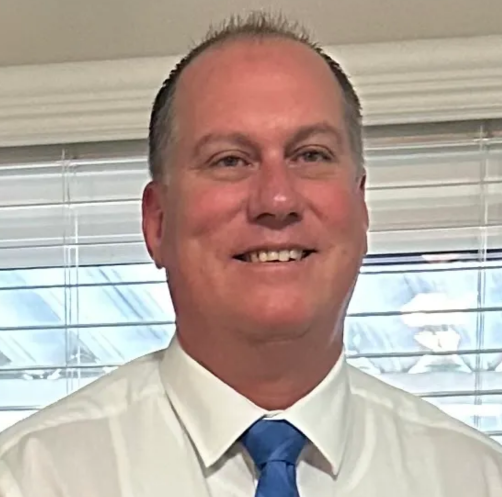
Medical Reviewer
Shawn is an experienced addiction counselor with nine years of work in substance use disorder treatment. Drawing from both professional training and lived recovery experience, he provides informed, empathetic care. He focuses on personalized support that helps clients build resilience and sustain long-term recovery.

Author
Henna is a content strategist with over 5 years of experience in behavioral health marketing. She specializes in creating informed, compassionate content for addiction treatment centers, using her deep understanding of the industry to educate, engage, and support individuals seeking recovery.


.webp)
Don't let addiction define your future. We're ready to support you every step of the way. Reach out to us for a free, confidential assessment.