
.webp)
If you’re considering addiction treatment, there’s a good chance group therapy will be part of your schedule. For many people, that brings up questions right away. Do I have to talk about personal things? What if I don’t know what to say? What actually happens during a session?
Addiction group therapy is less about being put on the spot and more about having a structured place to learn, talk through challenges, and hear from people who understand what recovery can look like. Sessions are guided by a trained professional, and the topics often focus on practical skills you can use outside of treatment.
Whether you’re considering an Intensive Outpatient Program, Partial Hospitalization Program, or another outpatient level of care, understanding what happens in group therapy can make walking into your first session feel a little more manageable.
Group therapy in addiction treatment is a structured, therapist-led session where a small number of people working on their recovery meet together to share experiences, learn coping skills, and support one another. It is not the same as a 12-step meeting, though some programs incorporate 12-step principles alongside it. A trained clinician facilitates every session with clear therapeutic goals.
The facilitator guides the conversation, keeps it safe, and ensures that the session stays focused on recovery rather than dissolving into crisis or conflict.
Sessions vary in format depending on where you are in treatment. Some groups are psychoeducational, meaning the clinician teaches a specific skill or concept and the group discusses it. Others are process-oriented, where members share what they're going through and respond to one another with support and honest reflection. Many programs use both formats across a treatment episode.
The Substance Abuse and Mental Health Services Administration (SAMHSA) has consistently identified group therapy as one of the most effective modalities in substance use disorder treatment. The reason isn't just efficiency. It isn't simply that you can treat multiple people at once. The mechanism is relational.
When you hear someone else describe exactly what you have felt, something shifts. The shame that keeps addiction alive, the belief that your experience is uniquely broken, starts to loosen. That loosening isn't just emotional relief. Social support and therapeutic alliance are among the strongest predictors of treatment retention, and retention is one of the strongest predictors of lasting recovery. You're more likely to keep coming back to something that makes you feel less alone.
There's also something important about accountability in a group context. Telling a counselor you're struggling is one thing. Showing up to a group of people who know your name and your story, week after week, adds a layer of commitment that individual therapy alone doesn't always produce. The group becomes a kind of anchor, a reason to stay in the process on the days when staying feels impossible.
.webp)
Not all group therapy sessions look the same. The format, topics, and activities can vary depending on the goals of the group and where you are in treatment. Knowing that ahead of time can make your first few sessions feel more familiar.
Here are several approaches commonly used in substance use disorder treatment, each designed to support a different part of the recovery process.
These sessions teach you specific information about addiction, recovery, and the skills you'll need to sustain it. Topics often include how substances affect the brain, what triggers relapse, how to manage cravings, and how to communicate in relationships under stress. At Atlas, our IOP curriculum covers mindfulness, meditation, coping skills, and stress management, all of which appear in this format. You're learning alongside others rather than sitting in a one-on-one lecture.
CBT-based groups help you identify thought patterns that drive substance use and practice replacing them with more functional responses. You might work through a situation from the past week, examining what you thought, felt, and did. Others in the group often reflect back things you can't see clearly about your own patterns, and that feedback is some of the most valuable in all of treatment.
These are the sessions that feel the most like "therapy" in the traditional sense. Members share what's happening in their lives and their recovery, and the group responds. A skilled facilitator keeps the conversation therapeutic rather than just social. Process groups are where a lot of the relational healing happens, because you practice being honest and being received well at the same time.
Some groups focus on practical skills that support everyday life in recovery. Topics may include managing stress, improving sleep, building healthier routines, nutrition, communication, and coping with difficult situations. The goal is to develop skills you can actually use outside of treatment as you rebuild your daily routine.
These sessions focus specifically on identifying your personal relapse warning signs, building an action plan, and rehearsing how to respond when cravings hit. Our post on relapse prevention strategies that work goes deeper on why willpower alone isn't a strategy, and relapse prevention groups put real tools in its place.
No, you generally won’t be expected to share personal details before you feel ready. Participation is encouraged, but a good group gives you time to become comfortable with the people and the setting.
During your first few sessions, you may spend more time listening than talking. That still has value. You’re learning how the group works, hearing other perspectives, and deciding when you feel comfortable contributing.
Confidentiality is also an important part of group therapy. At the beginning of treatment, counselors explain the group’s expectations around privacy, respect, and what should stay within the group. These boundaries help create an environment where people can speak more openly.
Groups are also facilitated with an awareness that many people entering addiction treatment have experienced trauma or difficult life circumstances. A trauma-informed approach emphasizes safety, choice, trust, and respect, allowing people to participate at a pace that feels manageable.
What you experience in group therapy will look different depending on where you are in treatment. The intensity, frequency, and focus of groups shifts as you move through levels of care.
At Atlas, our Partial Hospitalization Program runs five days a week, four to six hours per day. Group therapy is a core component alongside individual therapy, recreational therapy, and lunch. At this level, you're still in a highly structured environment, and groups tend to be more frequent and more intensive. You're building the foundation.
Our IOP runs four days per week over eight to twelve weeks. Group sessions here focus heavily on 12-step principles, mindfulness, and coping skills, but the format is designed for people who are beginning to re-enter daily life. You bring real situations from the outside world into the group, which gives the work immediate relevance. Family therapy is also included at this level.
The Outpatient Program is the final transition phase, with fewer sessions per week and increasing independence. Groups at this level tend to be less structured and more focused on maintaining momentum, problem-solving real challenges, and reinforcing the skills built at higher levels of care. Our Outpatient Program is designed to support that gradual hand-back of autonomy.
Depression, anxiety, PTSD, and other mental health conditions frequently co-occur with substance use, and the group therapy experience looks somewhat different when both are being addressed. Our co-occurring disorders program in Portland is built specifically to treat both conditions simultaneously rather than sequentially, because treating one while ignoring the other is how people end up back where they started.
In a dual diagnosis setting, group therapy may include psychoeducation about how mental health conditions and substance use reinforce each other, as well as more nuanced skill-building around emotional regulation, distress tolerance, and interpersonal effectiveness. These are core components of Dialectical Behavior Therapy (DBT), and several members of our clinical team are trained in it specifically.
If you're looking into dual diagnosis rehab in Portland, OR, or co-occurring disorders treatment in Portland, the format of group therapy matters. A program that integrates mental health treatment into every group session is going to produce different outcomes than one that runs addiction groups and mental health services on parallel tracks that never touch.
Here's what typically happens. The facilitator introduces the group norms, which almost always include confidentiality, respect, and the right to pass. You may be asked to introduce yourself briefly, usually just a first name and a very general reason you're there. No one is going to probe you in session one.
What most people report after that first group is not what they expected. They describe relief, sometimes even surprise. Hearing someone else articulate a feeling they have carried alone for years is disarming in the best way. The isolation that feeds addiction starts to crack open, not because of a grand insight, but because of a simple moment: someone in a folding chair across from you said something true, and you recognized it.
The American Psychological Association notes that group therapy is at least as effective as individual therapy for many conditions, and for some clients it produces stronger outcomes, precisely because of the interpersonal dynamics that individual therapy can't fully replicate.
.webp)
For many people navigating addiction, one of the core damages is to their capacity for trust. Substances became a more reliable source of relief than people did. Group therapy is, among other things, a structured rehearsal for rebuilding that trust.
Every time you share something honest and the group responds with understanding rather than judgment, you're collecting evidence that connection is safe. Every time you offer support to someone else and watch it land, you're rebuilding your own sense of worth and competence. That's not therapy-speak. That's the actual mechanism.
At Atlas, many of our clinical staff are in long-term recovery themselves. That personal experience changes the dynamic in a group room. When someone who has sat in your chair facilitates the session, authenticity replaces performance, and the group feels like it's made of real people.
For many people, especially those in the Portland area, the question isn't just what happens inside the treatment program. It's what happens after. Group therapy builds skills and relationships that are meant to carry forward, and connecting to sober community outside of formal treatment is part of how those gains stick.
If you're thinking about sober living in Portland, Oregon as part of your transition out of treatment, our team can help with that conversation. Brandon Parsons serves dual roles at Atlas as both a counselor and a housing coordinator, which means the planning for what comes next starts inside the program rather than the day you leave it.
If you want to understand what to expect from our specific programs or talk through your insurance options before taking any formal steps, our admissions and insurance page is the right place to start. We accept Oregon Health Plan, and if you don't currently have coverage, our team will help you figure out how to get it.
The circle of chairs isn't a place of judgment. In our experience, it's one of the most honest rooms most people have ever been in. That honesty can feel exposed at first. Over time, it's what makes recovery possible in a way that nothing else quite replicates.
Atlas Addiction Treatment Center is Joint Commission accredited and located in Oregon, serving clients across Portland and the surrounding areas. If you've been wondering whether group therapy is right for you, or whether you're ready to start, the best next step is a conversation. You can read our client reviews on Google to hear what that experience has been like for other people who walked in not knowing what to expect, and walked out with something they hadn't had in a long time.
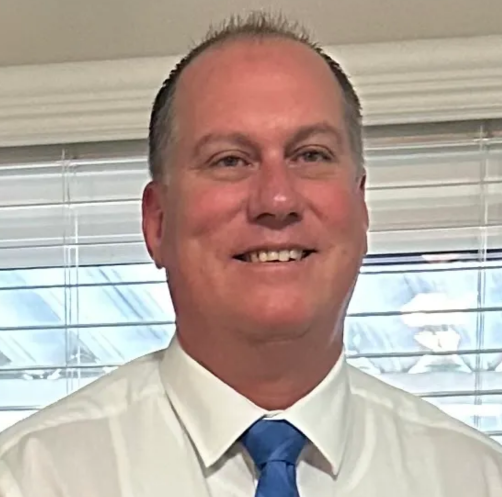
Medical Reviewer
Shawn is an experienced addiction counselor with nine years of work in substance use disorder treatment. Drawing from both professional training and lived recovery experience, he provides informed, empathetic care. He focuses on personalized support that helps clients build resilience and sustain long-term recovery.

Author
Henna is a content strategist with over 5 years of experience in behavioral health marketing. She specializes in creating informed, compassionate content for addiction treatment centers, using her deep understanding of the industry to educate, engage, and support individuals seeking recovery.


.webp)
Don't let addiction define your future. We're ready to support you every step of the way. Reach out to us for a free, confidential assessment.