

Even after going through treatment, over 60% of people recovering from substance use disorder relapse within one year. There’s more than one culprit behind it, but one often overlooked aspect is the lack of high-acuity care.
Too often, treatment stops at the basics, even when the reality of addiction demands more structure, medical oversight, and ongoing support. High-acuity care may be the missing piece in breaking the state’s relapse cycle.
In this article, we’ll talk about why standard approaches fall short and how to identify drug treatment centers in Oregon that offer the kind of care built for lasting recovery.
Not all treatment programs are built to handle the same level of addiction. The reality is that many standard options across Oregon focus on lower-intensity care, which can leave critical gaps for people dealing with more severe substance use.
For example, limited supervision means you’re often left to manage cravings and triggers on your own for large parts of the day. Short program durations can end treatment before real stability is built. And when there’s little to no integration of mental health support, underlying issues like anxiety, depression, or trauma go untreated, making relapse far more likely.
These gaps become even more dangerous when potent substances like fentanyl are involved. Effective fentanyl addiction treatment, for instance, requires a higher level of structure and medical oversight because the challenges are more intense. Cravings can hit harder and faster, overdose risk is significantly higher, and relapse can happen quickly, even after a short lapse.
When treatment doesn’t match the severity of the addiction, it creates a mismatch that sets people up to struggle.

High-acuity care is a higher level of addiction treatment for people who need more consistent, hands-on support. Instead of just a few sessions each week, you’re in a setting where care is ongoing across medical, emotional, and mental health needs.
The difference boils down to how much support you actually have. With standard outpatient or low-intensity programs, you’re often left to manage cravings and triggers on your own outside of sessions. High-acuity care fills that gap by making sure support is there when it’s needed most, especially in early recovery.
Here’s what that level of care typically includes:
This level of care helps lower relapse rates by addressing problems early, before they escalate. It also supports neurological and behavioral stabilization, which gives your system time to adjust without repeated disruption from substance use.
High-acuity care also focuses on what happens next. Step-down programs and aftercare planning help you transition out of intensive treatment without losing support, which is a key factor in maintaining long-term recovery.
So, how do you know if you need it? Here are some key indicators:
No matter your reason, keep in mind that needing high-acuity care doesn’t mean your situation is worse than anyone else’s. It means you need a level of support that actually suits what you’re dealing with.
High-acuity care is available across many drug treatment centers in Oregon, especially as providers respond to rising opioid and fentanyl use. The key is finding a program that actually offers this level of support, not just standard outpatient services labeled as comprehensive care.
As you explore your options, it’s worth asking direct questions. What level of supervision is provided? Is medical care available 24/7? Do they treat both addiction and mental health together?
Note that many programs also qualify as an addiction treatment center covered by OHP or Oregon Health Plan, which can make higher-level care more accessible than people expect. Verifying coverage ahead of time can save you stress later.
Once you reach out, most programs will walk you through an intake process so they can understand your needs and recommend the right level of care. Here’s what that typically looks like:
While starting treatment can feel like a big step, high-acuity care is built to provide stability, safety, and consistent support from day one. With the right level of care in place, addiction treatment Oregon can move beyond short-term fixes and focus on recovery that actually lasts.

Relapse isn’t random, and it’s not inevitable. When treatment doesn’t match the severity of what you’re dealing with, the cycle tends to repeat. The difference often comes down to getting the right level of support at the right time. High-acuity care addresses this by providing the consistency, medical oversight, and mental health support that you need to actually stabilize and move forward.
Do you feel stuck in the cycle, or do you think your past treatment didn’t go far enough? It may be time to look at a different approach. At Atlas Treatment Center, we offer the care you need for sustainable sobriety. Reach out today!
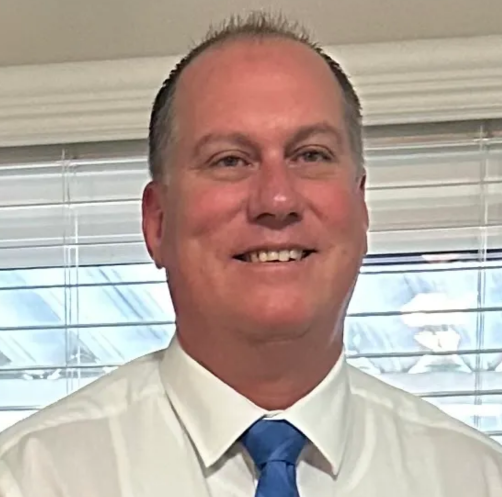
Medical Reviewer
Shawn is an experienced addiction counselor with nine years of work in substance use disorder treatment. Drawing from both professional training and lived recovery experience, he provides informed, empathetic care. He focuses on personalized support that helps clients build resilience and sustain long-term recovery.

Author
Emmy is a content specialist dedicated to helping brands boost their online presence and reputation through tailored, well-researched copy. With expertise across diverse niches—including mental health—she crafts messages that resonate with target audiences.


.webp)
Don't let addiction define your future. We're ready to support you every step of the way. Reach out to us for a free, confidential assessment.