

You've probably rehearsed the conversation a hundred times. You've chosen the right moment, the right words, the right tone. And then the moment arrives and everything goes sideways. They get defensive, or paranoid, or they disappear for three days. You're left wondering if you said the wrong thing, or if there's anything you could possibly say that would actually work.
Figuring out how to help someone addicted to meth is one of the hardest things a person can face, especially when that person doesn't believe they have a problem. Meth changes the brain in specific, measurable ways that make insight nearly impossible from the inside. This isn't stubbornness. It's neurology.
There are things that actually help, and things that quietly make it harder, even when they feel like the right move. This post is about the difference.
Most people are familiar with the idea that people in addiction often deny they have a problem. With meth, that denial is frequently more severe and more disorienting than families expect.
Methamphetamine causes significant changes to the brain's dopamine system, particularly in the prefrontal cortex, which governs judgment, self-awareness, and decision-making. Research from NIDA shows that long-term meth use reduces the density of dopamine receptors in areas of the brain responsible for emotional regulation and impulse control. In plain terms, the brain loses some of its ability to see itself clearly.
Beyond the structural changes, many people using meth heavily also experience psychosis, including paranoia, hallucinations, and delusional thinking. These symptoms can persist for weeks or even months after someone stops using. If your loved one seems genuinely convinced that they're fine, or that you're the one with the problem, that perception may be driven by changes in brain chemistry, not a conscious choice to deceive you.
The instinct to issue ultimatums or cut off contact is understandable. It comes from real pain and from real exhaustion. But decades of research on family involvement in addiction recovery suggest that the all-or-nothing approach tends to reduce the likelihood of treatment entry, not increase it.
CRAFT, which stands for Community Reinforcement and Family Training, is one of the most rigorously studied approaches to helping families support a loved one in addiction. Unlike traditional intervention models, CRAFT teaches family members to strategically reinforce sober behavior and reduce positive reinforcement of using behavior, all without severing the relationship. A 2012 review published in Behavior Analysis in Practice found that family members trained in CRAFT successfully engaged their loved one in treatment at rates significantly higher than those using Al-Anon or traditional confrontational intervention methods.
The core insight from CRAFT is this: your relationship with this person is leverage, but only if you stay in it. Complete withdrawal removes your influence. The goal isn't to reward the addiction. It's to make sober moments noticeably better than using moments, consistently, over time, so that the idea of treatment starts to feel like something they might want rather than something being done to them.

This section isn't a list of easy fixes. Meth addiction is serious, and there are no scripts that guarantee the right outcome. But there are specific behaviors that put you in a better position than where most families start.
Learn what you're actually dealing with. Meth-induced paranoia can make your loved one suspicious of your motives even when you're being completely genuine. Approaching the conversation with an accusatory tone, even if every word is accurate, tends to trigger defensiveness and shut down communication. Low-pressure, non-judgmental check-ins consistently outperform confrontations. You're not trying to win an argument. You're trying to stay in contact long enough to matter.
Don't attempt serious conversations during active intoxication or in the immediate crash period. Meth creates intense cycles of stimulation and crash. When someone is high, they're often grandiose and unreachable. When they're crashing, they're exhausted, often irritable, and cognitively impaired. The narrow window when someone is sober enough to hear you and alert enough to engage is the window you want.
Make information available without pressure. Leaving a resource, a phone number, or a website visible without forcing a conversation about it gives your loved one the chance to come to it on their own terms. SAMHSA's National Helpline is free, confidential, and available 24 hours a day, 365 days a year, for people who aren't sure where to start. You can also learn more about what meth-specific treatment actually involves by reading about meth addiction treatment at Atlas, so you can answer questions your loved one might have when they're ready to ask them.
Set limits that protect you, not limits designed to punish them. There's a difference between "I won't give you money anymore" and "I'm done with you until you get help." One protects your finances and removes fuel from the addiction. The other destroys the relationship and your influence along with it. The limits that work are specific, consistent, and centered on your own wellbeing rather than on trying to control their choices.
This is the part that gets skipped most often, and it's the part that determines whether you can sustain this long-term.
Loving someone in active meth addiction is genuinely traumatic. The paranoia they experience can be directed at you. The financial damage, the broken promises, the fear of the phone ringing at night. These are not small things. If you're burning out, you will eventually do one of two things: blow up or disappear. Neither one serves your loved one or you.
Al-Anon, SMART Recovery Family and Friends, and individual therapy with a therapist who understands addiction are all real options that help family members stay steady. Our blog post on how to help someone addicted to meth without losing yourself goes deeper on this, because your wellbeing is not a secondary concern. It's a prerequisite for everything else.

Sometimes the moment comes. A health scare, a legal consequence, a crash bad enough to break through the denial. When that moment arrives, it rarely stays open for long. Being ready matters.
At Atlas Addiction Treatment Center, we work with people at every stage of meth recovery, from PHP (Partial Hospitalization Program), which provides five days a week of structured clinical support, to Intensive Outpatient Program, which is built for people re-entering daily life who still need strong clinical scaffolding. Our team includes counselors with lived recovery experience, a medical director board-certified in addiction medicine, and a nutritional therapist who supports the physical recovery that meth withdrawal demands. We accept Oregon Health Plan, Medicaid, and a range of private insurance plans, and if your loved one doesn't have coverage, our staff can walk them through enrollment. Cost has never been a reason to turn someone away from care.
If you're trying to figure out where to start, our admissions and insurance page answers the most common questions, or you can call us directly. There's no pressure and no script. Just a real conversation about what's possible.
When your loved one is ready, we want to be ready too. You can also see what our clients say about their experience on Google to get a sense of what treatment at Atlas actually looks like for real people.
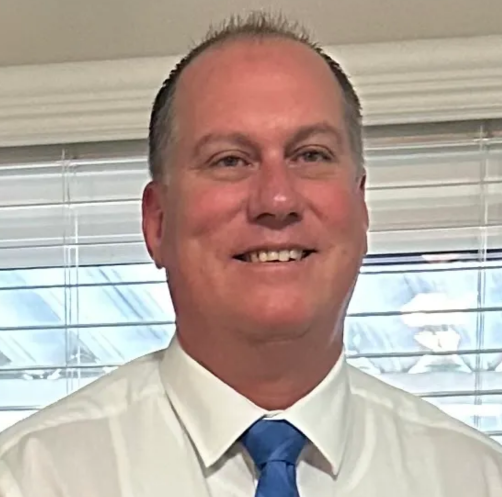
Medical Reviewer
Shawn is an experienced addiction counselor with nine years of work in substance use disorder treatment. Drawing from both professional training and lived recovery experience, he provides informed, empathetic care. He focuses on personalized support that helps clients build resilience and sustain long-term recovery.

Author
Andrea brings years of experience to the table. By day, she is conquering the world of search engines, and by night, she’s a dog lover, with an interest in tarot readings and all things witchy on a mission to explore the cultural gems of Mexico City.


.webp)
Don't let addiction define your future. We're ready to support you every step of the way. Reach out to us for a free, confidential assessment.