

.webp)
Addiction and mental health challenges often affect each other. Someone may use drugs or alcohol to cope with anxiety, depression, or trauma, while continued substance use can make those symptoms more severe. Over time, it becomes difficult to tell where one problem ends and the other begins.
That is why effective treatment must address both at the same time. Treating addiction without supporting mental health can leave the reasons behind substance use unresolved. Focusing only on mental health can overlook how substance use affects symptoms, safety, and recovery. Integrated treatment gives people a better opportunity to understand these connections and build lasting progress.
The belief is that a person must achieve sobriety before their depression, trauma, or anxiety can be addressed, or that a mental health program won't work until substances are out of the picture. The clinical evidence doesn't support either position.
The National Institute on Drug Abuse is direct on this point: co-occurring disorders, meaning a substance use disorder and a mental health condition present at the same time, are extremely common. About half of people who experience a substance use disorder will also experience a mental health disorder at some point in their life. Treating only one while ignoring the other leaves the untreated condition as an open door to relapse or worsening symptoms.
Here's what's actually happening in many cases. You're dealing with anxiety or depression that feels unmanageable, and substances provide temporary relief. Or you're using heavily and the neurological impact begins producing symptoms that look a lot like a mental health disorder: mood instability, paranoia, hopelessness. It becomes genuinely difficult to tell which came first, and honestly, at a certain point, it doesn't matter.
What matters is that both are real, both are affecting your daily life, and both need real clinical attention. Substances like meth, benzodiazepines, and opioids all carry distinct neurological effects that intersect with mood, cognition, and emotional regulation. Our substance-specific treatment programs are designed with this in mind, because a meth taper and a fentanyl taper are not the same clinical situation, and neither looks like benzo withdrawal.
Treating the body without the mind, or the mind without the body, is just incomplete care.
.webp)
Integrated care brings mental health and addiction treatment together within one coordinated plan. Instead of working with separate providers who may not communicate, you receive support from a team that understands how your symptoms, substance use, experiences, and recovery goals affect one another.
At Atlas, counselors trained in cognitive behavioral therapy (CBT) and dialectical behavior therapy (DBT) work alongside medical professionals and peer support specialists with lived recovery experience. These services help address both the emotional and behavioral factors that can contribute to substance use.
SAMHSA recommends integrated treatment for people with co-occurring mental health and substance use disorders. By addressing both conditions together, Atlas can provide more consistent support and help clients build a stronger foundation for long-term recovery.
Our Partial Hospitalization Program runs five days a week and includes individual therapy, group therapy, and supervised medication management when needed. That structure matters when you're in early recovery and your emotional regulation is still stabilizing.
Our Intensive Outpatient Program spans eight to twelve weeks and includes family therapy, mindfulness and coping skills, and 12-step curriculum, all alongside individual counseling. Shannon Pettyjohn, our Nutritional Therapy Practitioner, works with clients on sleep, blood sugar balance, and stress, because what's happening in your body directly affects your mental health. Recovery that ignores nutrition and sleep is leaving tools on the table.
The co-occurring disorders program in Portland is specifically designed to hold both pieces together throughout your care, not just during one session per week.
.webp)
A lot of people come in unsure whether what they're experiencing is a mental health condition, the effects of substance use, or something else entirely. That's exactly what a clinical assessment is for.
Our Drug & Alcohol Assessment gives the clinical team a real picture of where you are, including your substance use history, any mental health symptoms, and what level of care actually fits your situation. It's not a checklist. It's a detailed conversation that produces a real plan.
If you're ready to find out what that looks like for your situation, visit our Admissions and Insurance page to learn how to get started, how to verify your insurance, and what to expect. Cost is a real concern, and our team will help you figure out what your coverage actually covers, including Oregon Health Plan if that applies to you.
You don't have to have it all figured out before you call. You just have to make the first move. Read what our clients say about their experience at Atlas and see what recovery looks like.
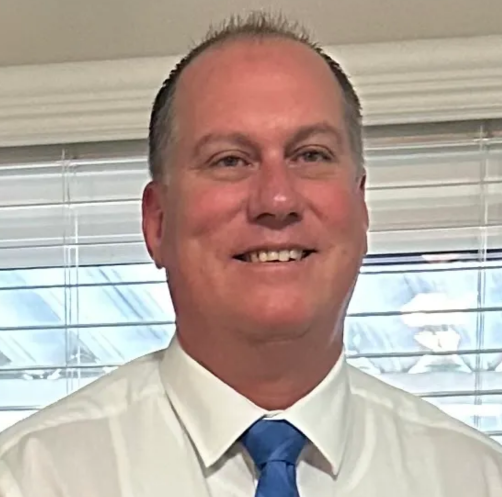
Medical Reviewer
Shawn is an experienced addiction counselor with nine years of work in substance use disorder treatment. Drawing from both professional training and lived recovery experience, he provides informed, empathetic care. He focuses on personalized support that helps clients build resilience and sustain long-term recovery.

Author
Henna is a content strategist with over 5 years of experience in behavioral health marketing. She specializes in creating informed, compassionate content for addiction treatment centers, using her deep understanding of the industry to educate, engage, and support individuals seeking recovery.


.webp)
Don't let addiction define your future. We're ready to support you every step of the way. Reach out to us for a free, confidential assessment.