

The landscape of substance use recovery is vast, and assuming that what works for opioids or alcohol will work for stimulants is a mistake. If you or a loved one is struggling, you quickly learn that standard protocols often fall short. Seeking meth addiction treatment in Oregon requires an understanding that stimulants hijack the brain's chemistry in a profoundly distinct way.
This article explores the unique neurobiological impact of chronic stimulant use and explains why an effective recovery strategy demands a specialized, neurologically focused clinical approach.
To understand why traditional meth addiction treatment in Oregon must be adapted, we first need to examine how methamphetamine affects the brain.
Most addictive substances trigger a release of dopamine, the chemical responsible for pleasure and motivation. However, while alcohol or opioids cause a moderate increase, methamphetamine causes a massive, unnatural flood of it.
This artificial surge completely overwhelms the brain’s neural pathways. Over time, the brain attempts to protect itself by turning off or destroying its own dopamine receptors. When a person stops using the substance, they are left with a severe deficit of this essential chemical. This results in anhedonia, or the total inability to feel pleasure from everyday activities.
When someone enters treatment for alcohol or opioids, medical stabilization focuses on managing acute, life-threatening physical symptoms like tremors or dangerous blood pressure spikes. However, a standard meth detox Oregon looks entirely different because the primary crisis is not physical; it is psychological and neurological.
The initial phase of stimulant withdrawal is characterized by profound exhaustion, severe depression, intense paranoia, and cognitive confusion. Because there is currently no FDA-approved medication that reverses stimulant dependence the way Suboxone treats opioid use, clinical teams must rely on a combination of intensive behavioral strategies and targeted psychiatric support to keep the individual safe through the intense emotional crash that follows cessation.
This neurological crash directly triggers the greatest hurdle in early methamphetamine rehab Oregon programs: The drug actively damages the areas of the brain responsible for executive function, memory, and impulse control.
Research highlights how severe this structural impact can be. According to the National Institute on Drug Abuse (NIDA), long-term methamphetamine use can alter brain structures in ways that mimic or increase the risk for movement disorders like Parkinson's disease. Furthermore, NIDA warnings emphasize that while long-term abstinence can reverse some of this damage, certain memory problems, emotional volatility, and psychotic symptoms can persist for several years or permanently alter brain function.
Because of this physical damage, a person in the first few weeks of sobriety struggles to concentrate, process complex information, or retain what they learn in a standard clinical setting. This demands specialized meth addiction treatment programs offering repetitive and visually concrete behavioral interventions.

Because the neurological healing process for stimulant use disorder treatment Oregon can take up to a year or more, long-term care structures are essential.
An Intensive Outpatient Program (IOP) provides the necessary balance of clinical support and real-world application. Enrolling in an outpatient meth treatment Portland facility allows you to rebuild your life, re-enter the workforce, and repair family dynamics while maintaining a consistent relationship with a clinical team.
During outpatient care, clients learn to navigate the specific environmental triggers that exist in their communities. Stimulant addiction leaves a trail of strong associative memories; seeing a certain street corner or experiencing a specific type of stress can trigger an instant, visceral craving. Outpatient groups provide a safe environment to process these moments in real-time, helping you desensitize those triggers before they lead to a slip.
Because medication options are limited, behavioral therapies serve as the cornerstone of meth addiction treatment in Oregon. Two specific evidence-based modalities have proven highly effective in treating stimulant use disorder:
True healing from a stimulant use disorder is a marathon. During crystal meth recovery Oregon specialists often emphasize the so-called wall, a period that typically occurs between 45 and 90 days into sobriety. During this phase, the initial motivation of starting treatment begins to wear off, and the brain’s dopamine production is still lagging. This can result in a return of intense fatigue, depression, and a feeling that life will never be interesting again.
Understanding that this phase is a predictable, biological part of the recovery timeline is vital. It is not a sign of personal failure or a lack of willpower; it is simply the brain rebuilding its neural architecture. A specialized clinical team can help you navigate this period by adjusting your therapeutic goals, increasing peer support, and reminding you that your ability to feel joy will return as your nervous system continues to mend.
The ultimate goal of a specialized program is to guide you back to a place where you can find fulfillment in the natural rhythms of life. This requires a holistic focus that extends beyond clinical therapy. Rebuilding your physical health through regular nutrition, establishing a consistent sleep schedule, and engaging in light physical activity all play a crucial role in accelerating brain repair.
Through our dedicated alumni and aftercare support networks, we help our clients stay connected to a community that understands the unique challenges of long-term stimulant recovery. Surrounding yourself with peers who have navigated the same cognitive fog and emerged on the other side provides an invaluable source of hope and accountability.

Living under the influence of stimulants is an exhausting cycle of artificial highs and devastating crashes. Breaking that cycle requires a clinical blueprint that respects the biological realities of your recovery. By choosing a program that specializes in the unique trajectory of stimulant rehabilitation, you give your brain and your body the specific care they need to heal completely.
Ready to transition from survival mode into true healing? At Atlas Treatment Center, we offer expert meth addiction treatment in Oregon. Reach out to our compassionate admissions team today!
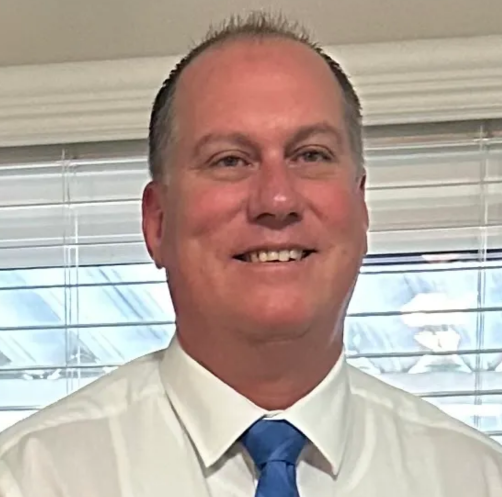
Medical Reviewer
Shawn is an experienced addiction counselor with nine years of work in substance use disorder treatment. Drawing from both professional training and lived recovery experience, he provides informed, empathetic care. He focuses on personalized support that helps clients build resilience and sustain long-term recovery.

Author
Emmy is a content specialist dedicated to helping brands boost their online presence and reputation through tailored, well-researched copy. With expertise across diverse niches—including mental health—she crafts messages that resonate with target audiences.


.webp)
Don't let addiction define your future. We're ready to support you every step of the way. Reach out to us for a free, confidential assessment.