
.png)
Most people who relapse don't do so because they stopped trying hard enough. They do so because they were relying on effort alone, without the skills, structure, and support that actually hold recovery together when things get hard.
That framing matters. If you've relapsed, or if you're afraid you will, the answer isn't to want sobriety more. The answer is to understand what relapse actually is, and to build a plan that addresses it at the level where it's happening: in the brain, in your habits, in your daily environment, and in the people around you.
This post walks through the relapse prevention strategies that have real evidence behind them. Not motivational concepts. Actual tools.
The National Institute on Drug Abuse frames addiction the same way medicine frames other chronic conditions. Relapse rates for addiction are similar to those for hypertension and asthma, two conditions where no one says you "failed" when symptoms return. We adjust the treatment plan and keep going.
The reason relapse happens so predictably involves the prefrontal cortex, the part of your brain responsible for judgment, impulse control, and weighing consequences. Addiction disrupts this region significantly. When you're stressed, triggered, or in a familiar environment where you used, the brain's craving response fires faster than the reasoning response can catch it. That's not weakness. That's neuroscience.
Understanding this changes your job in recovery. You're not trying to overpower your brain through sheer determination. You're learning to interrupt patterns that formed over years, and you're building new ones through repetition, support, and skill. That takes time and the right tools, not just the right intentions.
Relapse rarely happens in a single moment. Research consistently describes it as a process that unfolds in stages, often starting weeks before any substance is used.
The first stage is emotional relapse. You're not thinking about using, but your behavior is setting the stage. You stop going to meetings. You isolate. You stop sleeping well or eating regularly. You bottle things up instead of asking for help. You're running on empty and not refilling.
The second stage is mental relapse. Now your mind starts bargaining. You think about using, romanticize the way things felt, and start imagining scenarios where it wouldn't be a big deal. Cravings become more frequent. You start minimizing the consequences.
The third stage is physical relapse, the moment of use itself. By this point, warning signs have been present for a while. The most effective relapse prevention strategies for addiction work at stages one and two, before a return to substance use ever happens.
Recognizing where you are in that process is a skill. It doesn't come automatically, but it can be learned. That's a significant part of what structured outpatient programming is designed to teach.
.png)
Mindfulness-Based Relapse Prevention, often called MBRP, was developed by researchers at the University of Washington as a structured approach to relapse prevention that combines mindfulness practices with traditional cognitive-behavioral techniques. The goal isn't to eliminate cravings. It's to change your relationship to them.
When a craving hits, the trained response is to observe it rather than immediately react. You notice the physical sensation, recognize it as a temporary state, and create space between the urge and the action. Over time, that pause becomes more reliable. A 2014 study published in JAMA Psychiatry found that participants who completed MBRP had significantly lower rates of substance use and craving at six-month and twelve-month follow-ups compared to standard relapse prevention and treatment-as-usual groups.
MBRP isn't meditation for its own sake. It's a practical skill that you practice, repeat, and get better at. At Atlas, mindfulness and meditation are built into our Intensive Outpatient Program curriculum for exactly this reason.
CBT is one of the most researched approaches in addiction treatment. For relapse prevention specifically, it targets the thought patterns and behavioral responses that link environmental cues to substance use. A song, a neighborhood, a specific time of day, even a smell can activate cravings so strong they feel like physical needs. CBT helps you identify those triggers and build deliberate, practiced responses to them.
Cue exposure work, a component of CBT, gradually introduces you to triggers in a controlled setting so you can rehearse not using. The idea is that repeated exposure without the reward of substance use weakens the association over time. It's not a comfortable process, but it's effective. Our alcohol and substance abuse counseling services use CBT as a core framework for this work.
One of the most consistent findings in addiction research is that longer engagement with treatment predicts better outcomes. Completing a residential or PHP program is a real accomplishment. Walking back into ordinary life without any continuing structure is where a lot of people run into trouble.
A study published in JAMA Psychiatry found that continuing care interventions, particularly those that adapt to a person's progress over time, significantly reduce relapse rates. The format matters less than the consistency. Weekly outpatient sessions, regular check-ins, alumni groups, and ongoing individual counseling all create touchpoints that keep you accountable and supported.
Our Outpatient Program is specifically designed as that final transition layer, the bridge between intensive programming and full reintegration. It includes group work, individual sessions, and the kind of regular contact that keeps recovery from becoming something you did rather than something you're living.
A relapse prevention plan is a written, specific document you create with your counselor. It's not a motivational statement. It's a set of instructions for your future self when things get hard.
A solid plan typically includes:
The specificity is what makes it work. "Call someone" is not a plan. "Call Robert at 503-555-0143 and say I'm struggling" is a plan. The brain under stress defaults to habitual behavior. A clear, practiced plan gives you something to default to that isn't using.
This part gets underdiscussed, and it shouldn't. Chronic substance use depletes nutrients, disrupts sleep architecture, and creates physiological instability that makes cravings harder to manage and mood harder to regulate. Healing the body is not separate from healing the mind in recovery. It's part of the same process.
Research from SAMHSA and other bodies consistently links poor sleep and nutritional deficiency to elevated relapse risk. Blood sugar dysregulation, in particular, can produce irritability, anxiety, and low energy states that mirror the emotional conditions that preceded past use.
At Atlas, we take this seriously enough to include nutritional therapy as a formal part of our programming. Shannon Pettyjohn, our Nutritional Therapy Practitioner, runs sessions on digestion, blood sugar balance, sleep, and stress, with practical tools like budget-friendly grocery lists built into the curriculum. Because recovery is something you live in a body, and that body needs to be supported.
.png)
People sometimes underestimate how much the structure itself is doing the work, especially early in recovery. When your days have predictable rhythms, when you're surrounded by people working on the same things you are, and when you have a counselor who knows your specific history and patterns, the environment itself becomes a recovery tool.
Our Partial Hospitalization Program offers five days per week of intensive support, including individual therapy, group sessions, recreational therapy, and supervised medication management when needed. It's designed for people who need more structure than weekly outpatient sessions but don't require residential care. The IOP that follows builds on that foundation with continued group work, 12-step principles, coping skills, and family therapy, over approximately eight to twelve weeks.
The transition from PHP to IOP to OP isn't just a step-down in hours. It's a deliberate, staged process of building independence while keeping the support net in place. That's how the research says recovery actually holds.
If you want to understand more about why outpatient programming reduces relapse risk, we've covered that in more depth on the blog.
If you're reading this after a relapse, I want to say something directly: this is not the end of your recovery. It is information. It tells you something about where your plan had gaps, what cues or stressors you were underestimating, and what kind of support you need right now.
Returning to treatment after a relapse is not starting over. It's course-correcting with more information than you had before. Many of the people on our team at Atlas, including staff with years of clinical experience, have lived this. They understand that recovery is rarely a straight line. What matters is what you do next.
The SAMHSA National Helpline is available 24/7 if you need immediate support at 1-800-662-4357. And if you're ready to look at what structured treatment could offer you right now, our admissions and insurance page walks through exactly how to get started, including how we help with Oregon Health Plan enrollment if you don't currently have coverage.
Recovery is possible. Not because you'll eventually try hard enough, but because the right tools, the right structure, and the right people around you change the conditions entirely. You don't have to figure out relapse prevention strategies for addiction on your own. That's the whole point of not doing this alone.
If you want to hear from people who've been through our program, read our client reviews on Google and see what recovery has looked like for others who started right where you are.
Medical Reviewer
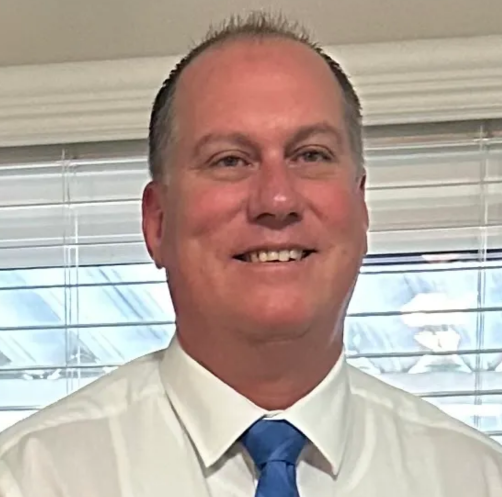
Shawn is an experienced addiction counselor with nine years of work in substance use disorder treatment. Drawing from both professional training and lived recovery experience, he provides informed, empathetic care. He focuses on personalized support that helps clients build resilience and sustain long-term recovery.

Author
Henna is a content strategist with over 5 years of experience in behavioral health marketing. She specializes in creating informed, compassionate content for addiction treatment centers, using her deep understanding of the industry to educate, engage, and support individuals seeking recovery.


.webp)
Don't let addiction define your future. We're ready to support you every step of the way. Reach out to us for a free, confidential assessment.